
Two freshly painted homes can look equally good. The difference may become obvious years later, when one still looks consistent and the other is fading, chalking or peeling.
Part of that difference is the work underneath: cleaning, repairs, priming and proper application. Part is the coating itself. Once paint dries, it becomes a thin film that has to handle sunlight, moisture, cleaning, rubbing and movement in the surface beneath it.
The five and fifteen years in the title illustrate the difference homeowners care about. They are not promised lifespans. The surface, exposure, preparation, coating system and maintenance all affect when a repaint becomes necessary.
What is actually in a can of paint?
Water-based architectural paints contain several groups of ingredients. Each contributes something different. [14]
| Ingredient | What it contributes |
|---|---|
| Binder or resin | Forms the film, holds pigment particles together and helps the coating adhere to the surface. |
| Prime pigments | Provide hiding and colour. Titanium dioxide is especially important for white and light-coloured paints. |
| Extender pigments | Adjust sheen, application, particle spacing and other film properties. Examples include clay, calcium carbonate and silica. |
| Water and other volatile ingredients | Allow application and film formation; much of this portion leaves during drying. |
| Additives | Help control flow, levelling, foam, preservation and resistance to mildew on the paint film. |
Tinting adds colourants containing pigments and other ingredients. Those colourants must work with the paint’s base formulation. The quality of the finished coating depends on how the ingredients work together.
Safety data sheets are not complete paint recipes
A safety data sheet, or SDS, explains product hazards, safe handling and related precautions. It is not a complete accounting of every binder, pigment and additive, so it cannot establish paint quality from an ingredient list alone. Use the matching technical data sheet for application requirements and published performance specifications. [27]
Check the exact product and tint, too. Cloverdale notes that its online search supplies documentation for standard untinted products and directs customers to the supplying location for the SDS of a custom or tinted product. [28]
The binder holds the coating together
The binder’s chemistry, quantity and formulation influence adhesion, flexibility, stain resistance and weathering. For many residential exterior projects, a well-formulated 100% acrylic coating is a strong starting point. “100% acrylic” describes the binder system, not everything in the can.
It also does not make every acrylic paint equivalent. One formulation may emphasize colour retention, another stain removal, and another resistance to scuff marks. Scuff-X, for example, identifies a proprietary acrylic copolymer and a formulation developed for high-traffic spaces. [3] [14]
Titanium dioxide helps paint hide
Titanium dioxide, or TiO₂, scatters light and helps prevent the old surface from showing through. Its grade, particle distribution and interaction with the rest of the formula affect how efficiently it works. Simply adding more does not guarantee a better paint.
Appropriate TiO₂ grades can also contribute to exterior durability. But the coating still depends on its binder and other pigments. A rich red and an off-white have different pigment requirements; a single ingredient percentage cannot explain their overall performance. [15]
Clay, fillers and ceramic technology
Extender pigments can reduce formulation costs, but they also perform useful jobs. Engineered kaolin clay can help space titanium dioxide and contribute to hiding, scrub resistance and surface finish. Finding clay in a paint does not establish that it is low quality. [16]
The useful question is whether the formula has the right balance for its intended use. Certain ceramic microspheres can improve scrub and burnish resistance while reducing resin demand. They are another formulation tool; a “ceramic” label alone does not tell us how two finished paints compare. [17]
Volume solids: how much coating remains?
Volume solids is the proportion of the wet paint’s volume that remains as the dry coating. The approximate relationship is:
Dry-film thickness = wet-film thickness × volume-solids fraction
A hypothetical 4-mil wet coat at 40% volume solids leaves about 1.6 mils of dry film. At 30%, the same wet thickness leaves about 1.2 mils. One mil is one-thousandth of an inch.
That is a thickness calculation, not a measurement of durability or a prediction of lifespan. Actual application must follow the manufacturer’s specified spreading rate, film thickness and coat requirements.
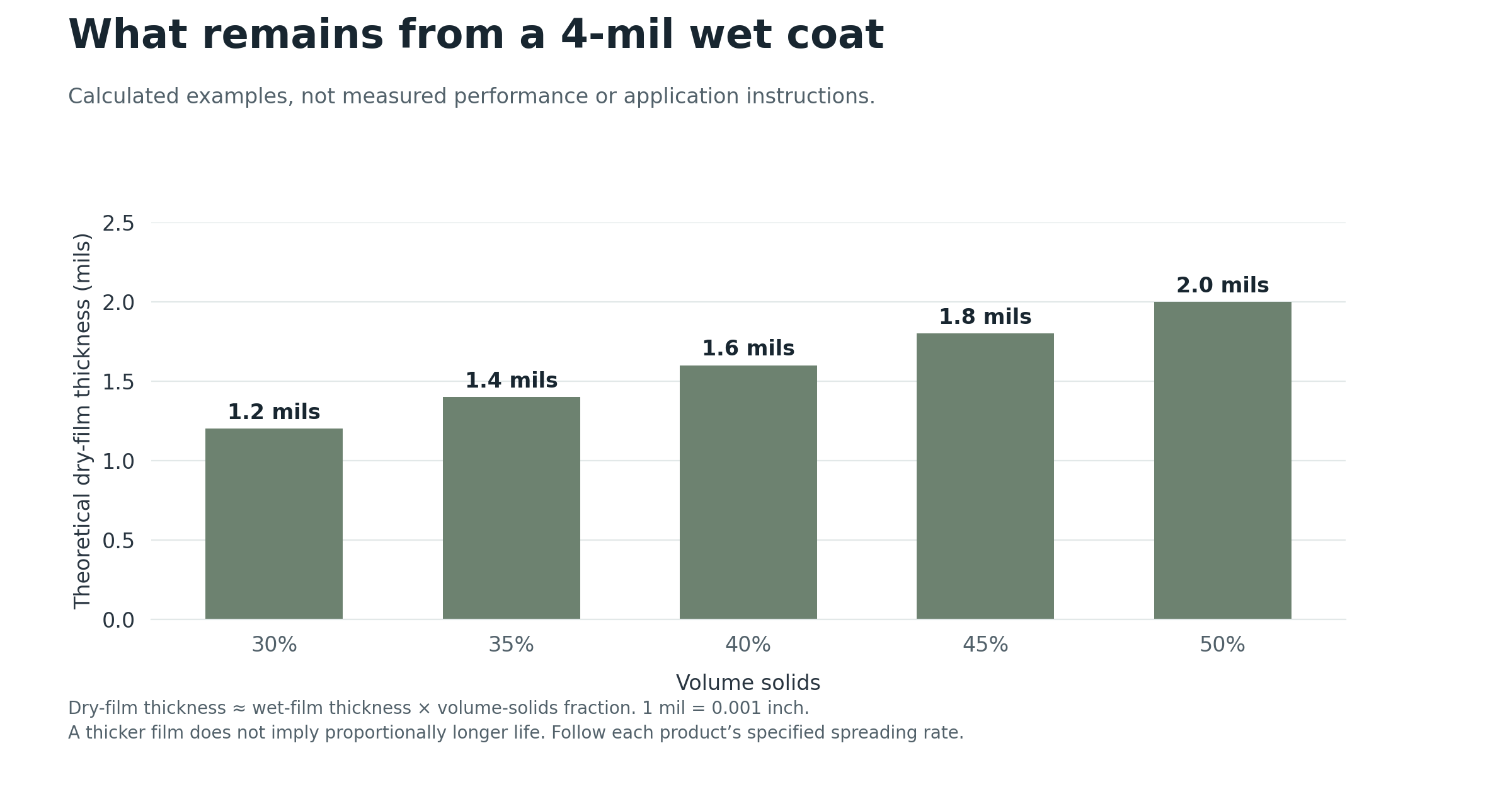
View the graph data
| Volume solids | Wet film (mils) | Calculated dry film (mils) |
|---|---|---|
| 30% | 4 | 1.2 |
| 35% | 4 | 1.4 |
| 40% | 4 | 1.6 |
| 45% | 4 | 1.8 |
| 50% | 4 | 2.0 |
Volume solids and weight solids are different
Weight solids measures the remaining material by mass; volume solids measures it by volume. Because ingredients have different densities, the percentages are not interchangeable. Volume solids is the relevant figure for estimating dry-film thickness from wet-film thickness. Neither number reveals the complete formula.
Interior specifications: compare the exact product
These examples identify particular Canadian products and finishes. They do not describe every base, colour or sheen sold under the same name. Published tolerances overlap. A small difference in volume solids does not establish a performance winner.
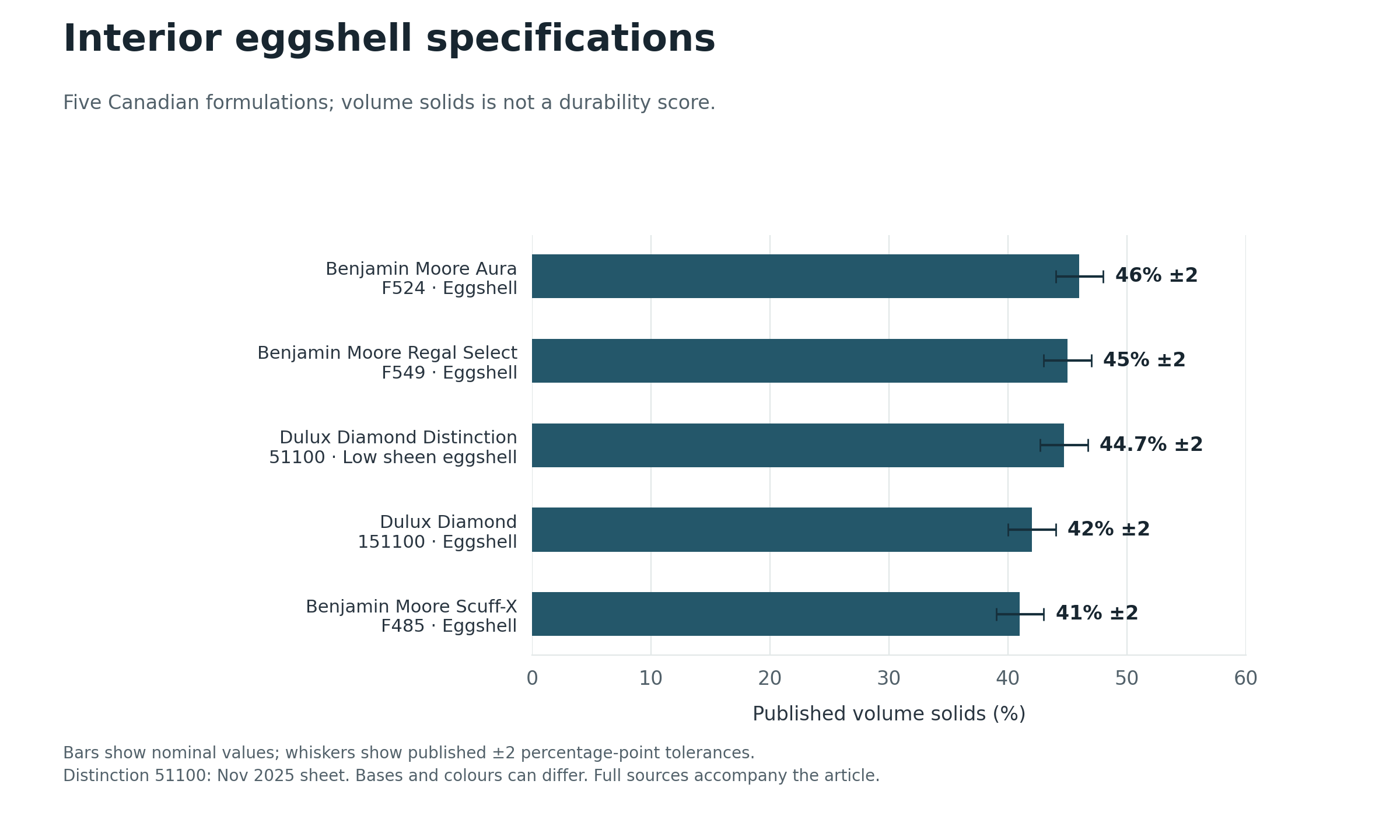
View the graph data
| Product | Code | Finish | Volume solids |
|---|---|---|---|
| Benjamin Moore Aura | F524 | Eggshell | 46% ±2% |
| Benjamin Moore Regal Select | F549 | Eggshell | 45% ±2% |
| Dulux Diamond Distinction | 51100 | Low sheen eggshell | 44.7% ±2% |
| Dulux Diamond | 151100 | Eggshell | 42% ±2% |
| Benjamin Moore Scuff-X | F485 | Eggshell | 41% ±2% |
Scuff-X has a lower nominal figure than Aura in this comparison, yet its scuff-resistant formulation makes it especially relevant to busy hallways. Product performance matters more than the longest bar on the graph.
Exterior specifications: film build needs context
Different coatings specify different application thicknesses. Giving two products the same number of coats does not guarantee the same dry-film build. Sheen names such as “satin” also do not represent identical gloss levels across manufacturers.
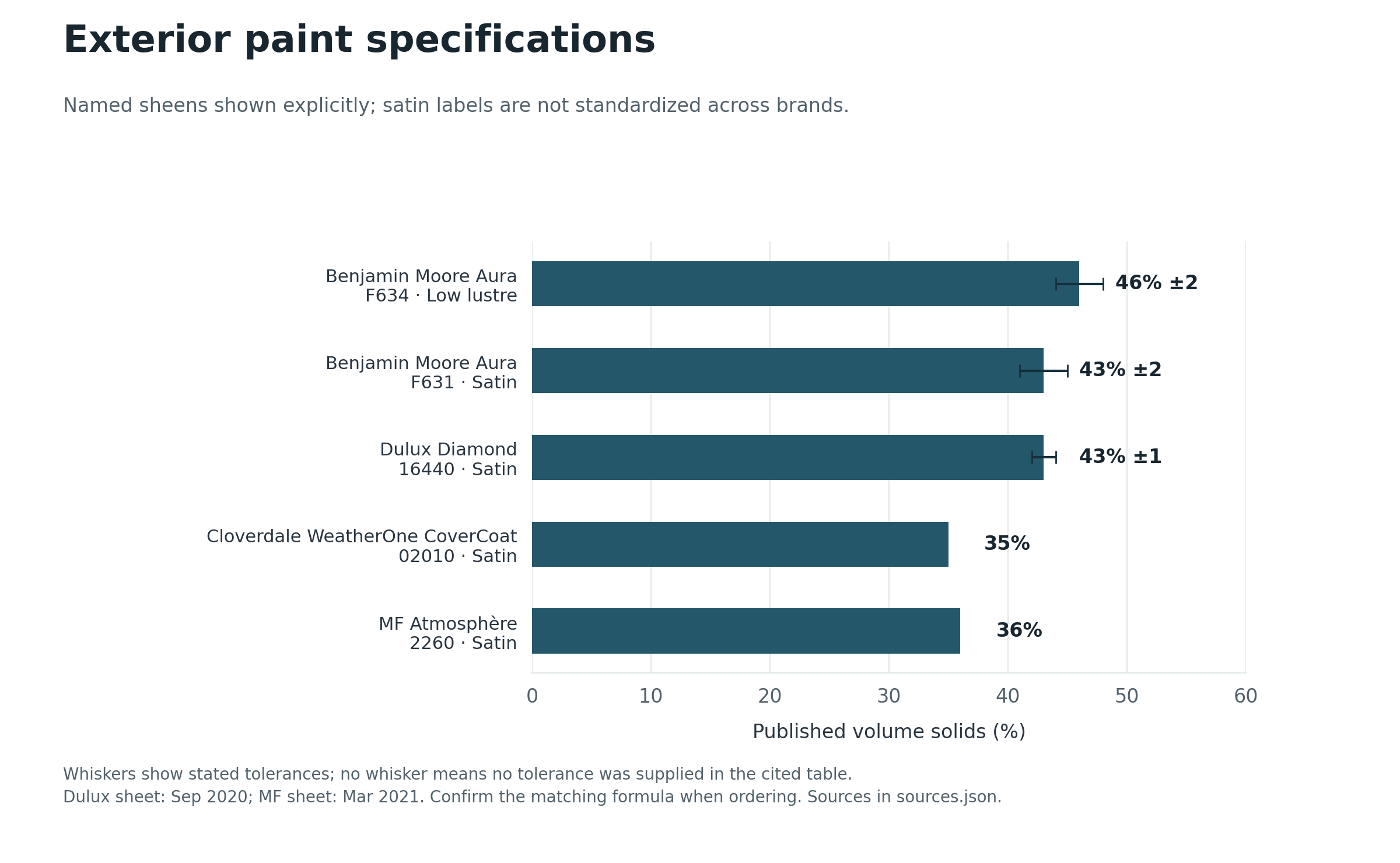
View the graph data
| Product | Code | Finish | Volume solids |
|---|---|---|---|
| Benjamin Moore Aura | F634 | Low lustre | 46% ±2% |
| Benjamin Moore Aura | F631 | Satin | 43% ±2% |
| Dulux Diamond | 16440 | Satin | 43% ±1% |
| MF Atmosphère | 2260 | Satin | 36% |
| Cloverdale WeatherOne CoverCoat | 02010 | Satin | 35% |
Washability is different from scuff resistance
A washable wall may still mark when a hockey bag brushes against it. A coating that survives cleaning may still develop shiny patches. These are different demands:
| Property | What it means |
|---|---|
| Washability | How readily dirt and marks can be removed. |
| Scrub resistance | How well the coating withstands repeated abrasive cleaning. |
| Scuff resistance | How well it resists marks caused by rubbing contact. |
| Burnish resistance | How well it resists becoming shinier when rubbed. |
A quiet bedroom may need ordinary cleanability. A mudroom or stairwell often needs greater resistance to marking.
Drying time matters, too. A wall that feels dry is not necessarily ready for washing. The Canadian Aura, Regal Select and Scuff-X sheets reviewed here specify waiting two weeks before washing. Dulux Diamond 151100 and Diamond Distinction 51100 specify 30 days before cleaning. Follow the directions for the actual product and conditions. [1] [2] [3] [4] [22]
Tinting changes the comparison
Paint stores use different bases to produce different colours. White and pastel bases generally contain more white hiding pigment. Deep and accent bases contain less, allowing stronger colours without whitening them excessively.
Colourants contribute pigments and other ingredients of their own. Adding them does not automatically make every dark colour weaker, or establish that the white-base solids figure is always the best case. Calculating the finished mixture’s volume solids would require the base volume and solids, the amount of each colourant and the colourants’ solids data.
Use the manufacturer’s specified tinting system and follow the recommended coating system. Some colours need a specified tinted primer or additional coats for uniform hiding. That depends on the product, colour and surface, not darkness alone. [2] [9]
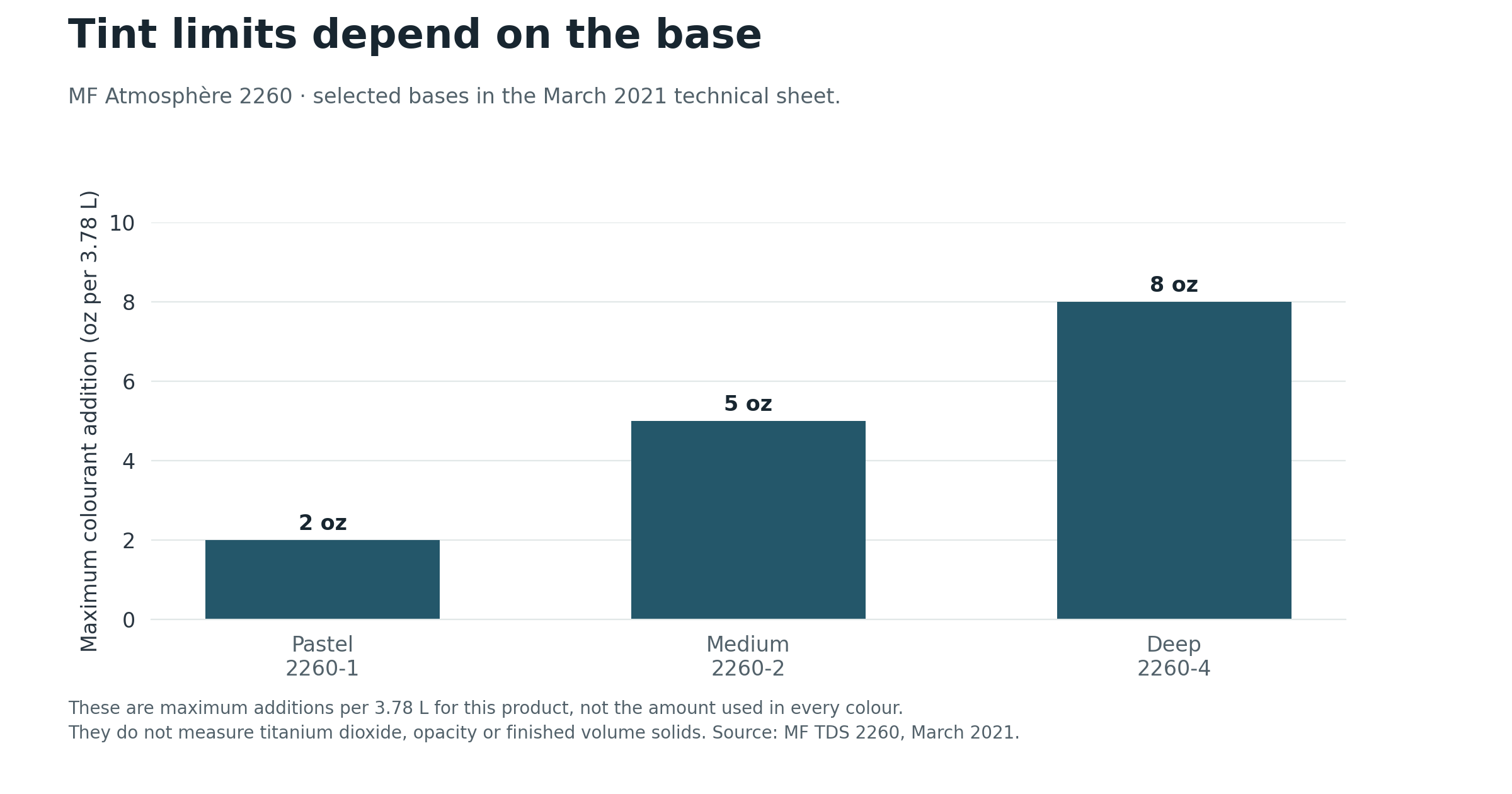
View the graph data
| Selected base | Maximum colourant addition |
|---|---|
| 2260-1 | 2 oz per 3.78 L |
| 2260-2 | 5 oz per 3.78 L |
| 2260-4 | 8 oz per 3.78 L |
A colour match is not a formula match
Matching the appearance of a Benjamin Moore colour in a different brand does not transfer the original product’s binder, additives or performance. Even the visual match should be checked in the room’s lighting.
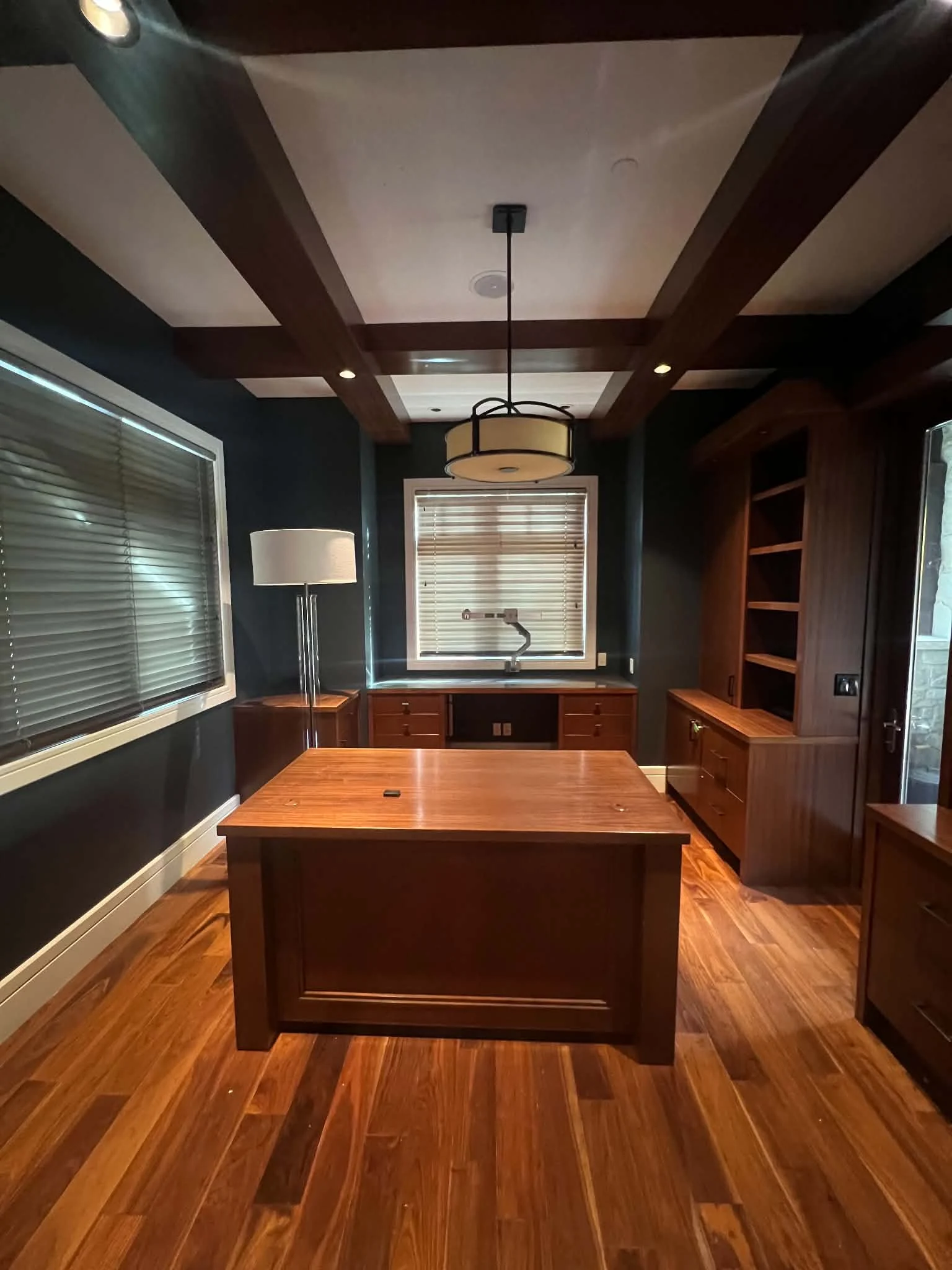
Our interior painting service considers the colour, sheen, surface condition and everyday use together.
Our recommendations
Our interior paint order of preference
This is Dynamic Painting’s preference order for general residential wall projects. It reflects the products and properties we prioritize; it is not a laboratory ranking or a prediction of lifespan. A specific job can change the order. Scuff-X, for example, becomes our first choice when repeated scuffing is the main concern.
Benjamin Moore Aura Interior
Eggshell example · F524
46% ±2% volume solids · 100% acrylic
We put Aura first when hiding, rich colour and resistance to colour rub-off are the priorities. Colour Lock technology and the documented hiding characteristics make it a useful upgrade for demanding colour changes. [2]
Where we would use it: Feature spaces, colour-focused interiors and premium whole-room repaints.
Dulux Diamond Distinction
Low Sheen Eggshell · 51100
44.7% ±2% volume solids · acrylic latex
Distinction sits above Regal Select in our preference order. Its Clean Surface Technology, stain-removal properties and scuff and scrub resistance suit homeowners who want a soft finish that can handle regular cleaning. [22]
Where we would use it: Living rooms, bedrooms and busy family spaces where low sheen and cleanability both matter.
Benjamin Moore Regal Select
Eggshell example · F549
45% ±2% volume solids · 100% acrylic
Regal Select remains a practical starting point for everyday residential walls. Its stain-release properties, washability and smooth flow and levelling give us useful reasons to specify it beyond the brand name. [1]
Where we would use it: Living rooms, bedrooms and general whole-home interior work.
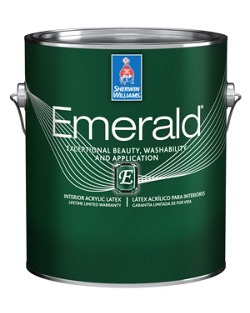
Sherwin-Williams Emerald Interior
Flat, matte, satin and semi-gloss options
Acrylic latex · hiding, washability and stain resistance
Emerald is a credible alternative where washability, hiding and resistance to burnishing or water streaking matter. We compare the chosen finish, colour and project quote with our other preferred systems. [13]
Where we would use it: Residential walls that need a smooth appearance and regular cleaning.
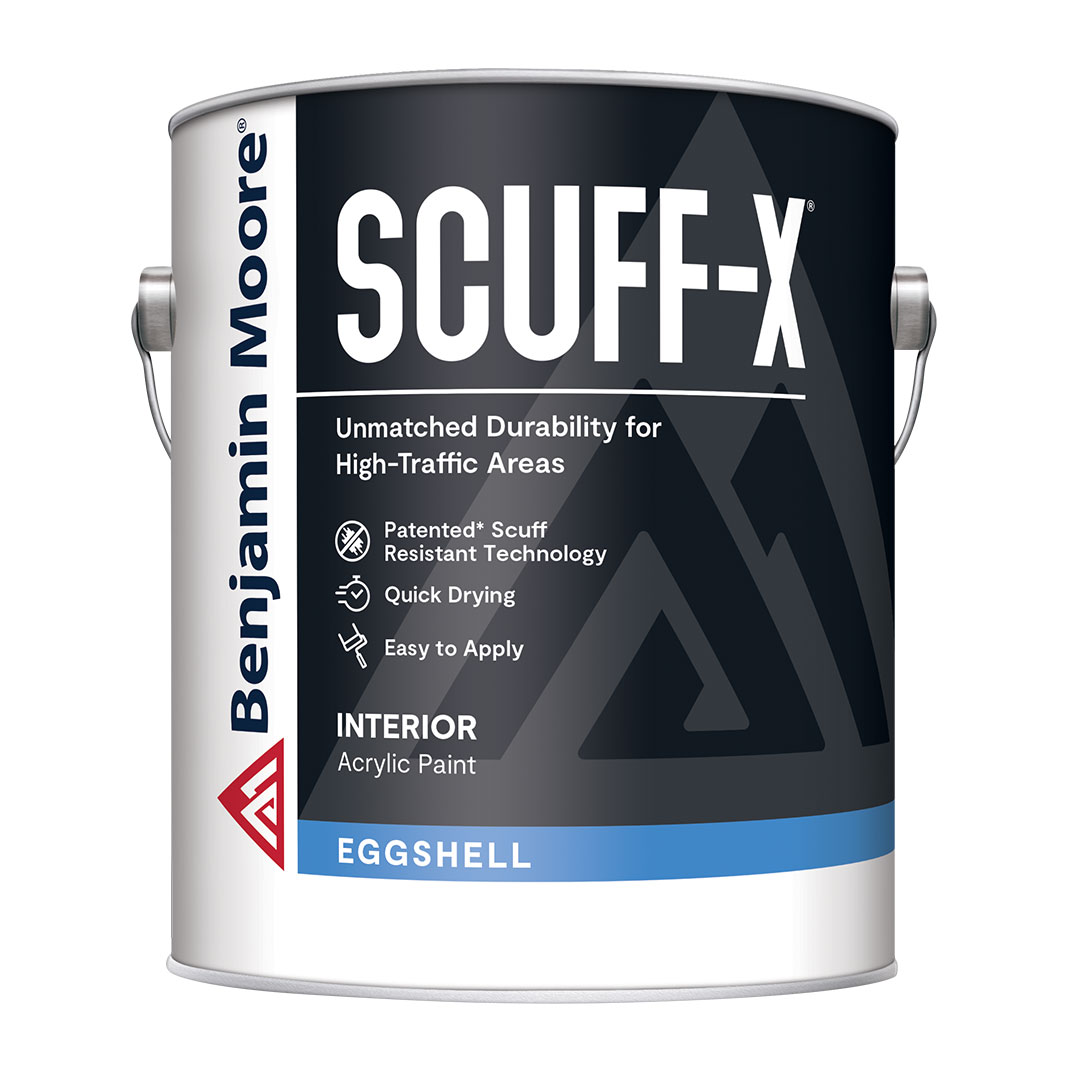
Benjamin Moore Scuff-X
Eggshell example · F485
41% ±2% volume solids · proprietary acrylic copolymer
Scuff-X moves to the top of our list when repeated rubbing contact is the main concern. Its scuff-resistant formulation is especially relevant where shoes, bags and furniture regularly brush against walls. [3]
Where we would use it: Mudrooms, hallways, stairwells and other areas exposed to frequent contact. Interior use only.
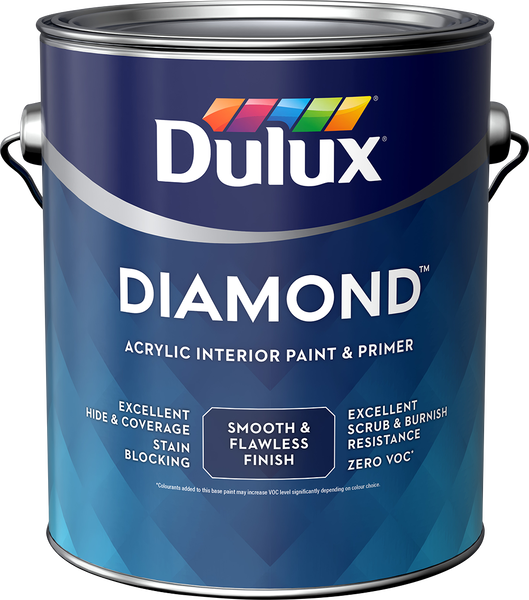
Dulux Diamond Interior
Eggshell example · 151100
42% ±2% volume solids · 100% acrylic
Standard Diamond is a separate product from Diamond Distinction. Its documented hiding, scrub resistance and burnish resistance make it another option for walls that need to look consistent through regular use. [4]
Where we would use it: General residential walls and spaces requiring a washable finish.
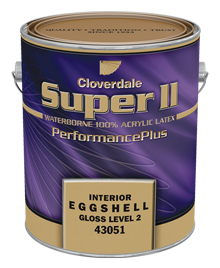
Cloverdale Super2 Eggshell
Eggshell / GL2 · 43051
100% acrylic · stain resistance and washability
Super2 belongs in the comparison for its documented adhesion, washability, stain resistance and flow and levelling. We assess it against the actual surface and desired appearance rather than dismissing it by brand or solids alone. [23]
Where we would use it: Interior walls where an eggshell finish and cleanability are appropriate.
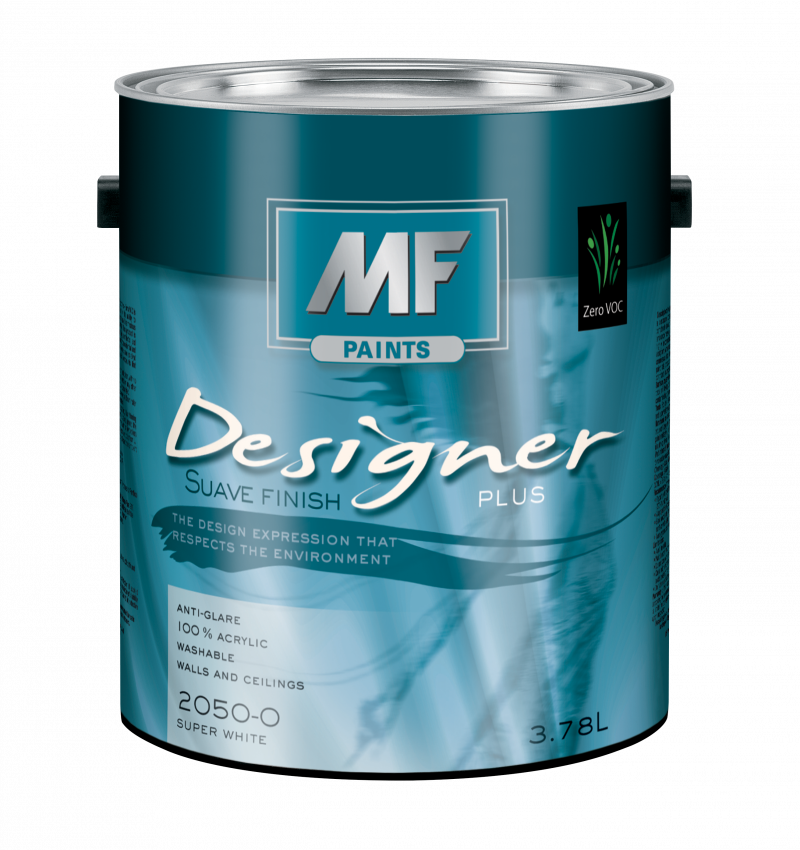
MF Designer Plus 2050
Suave finish · 2050
100% acrylic · washable finish
Designer Plus 2050 offers a subdued appearance with a washable matte finish. Its current technical sheet describes resistance to stains, burnishing and water spotting, giving it a place among the options for low-reflection interior walls. [24]
Where we would use it: Interior walls where a soft appearance and routine cleanability are priorities.
Bathrooms, trim and ceilings need their own choices
Choosing one wall paint for every surface can miss what each area needs. These are our recommendations for three common situations.
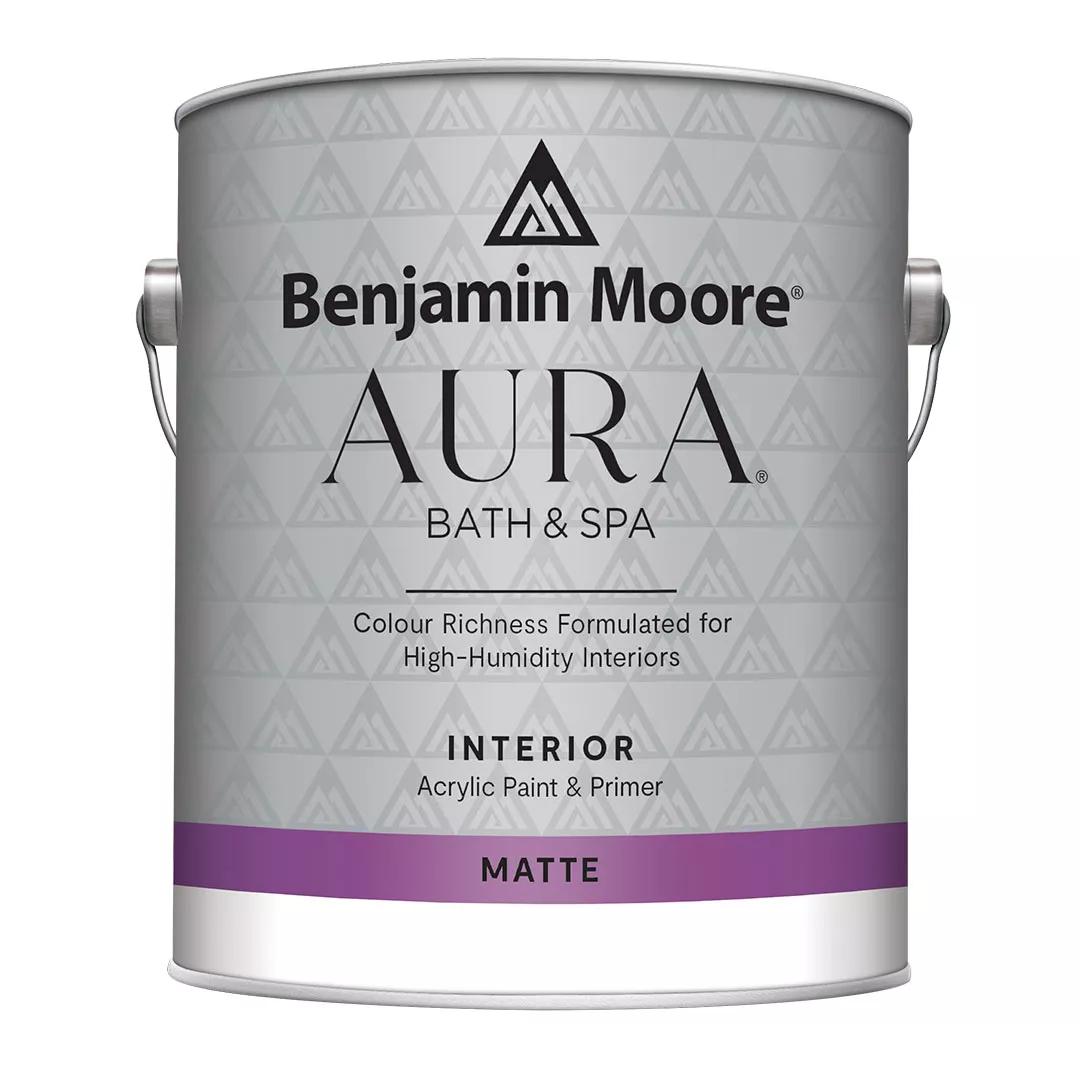
Benjamin Moore Aura Bath & Spa
Matte · K532
Designed for humidity · mildew-resistant paint film
Our low-sheen bathroom recommendation is formulated for humid environments. It shows why a bathroom does not automatically need a shinier wall finish. [10]
Where we would use it: Bathrooms with effective ventilation and a sound, dry substrate. Paint cannot correct a leak or persistent condensation.
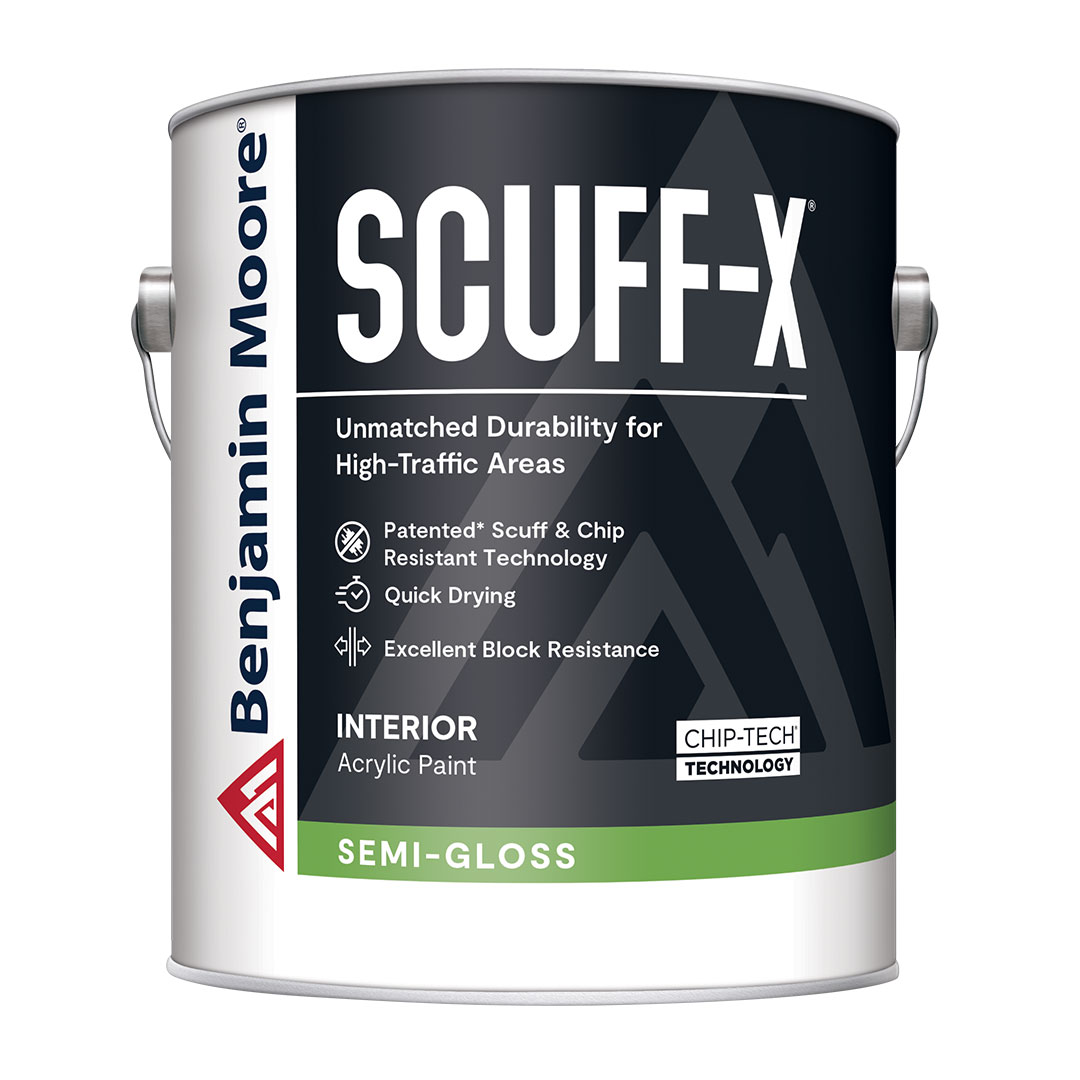
Benjamin Moore Scuff-X Semi-Gloss
Semi-gloss · F487
Chip-resistant technology · interior trim applications
The semi-gloss formulation specifically adds chip-resistant technology and lists trim, door jambs and baseboards among its uses. Existing coatings determine the cleaning, preparation and primer required. [11]
Where we would use it: Interior door frames, baseboards and other trim exposed to regular contact.
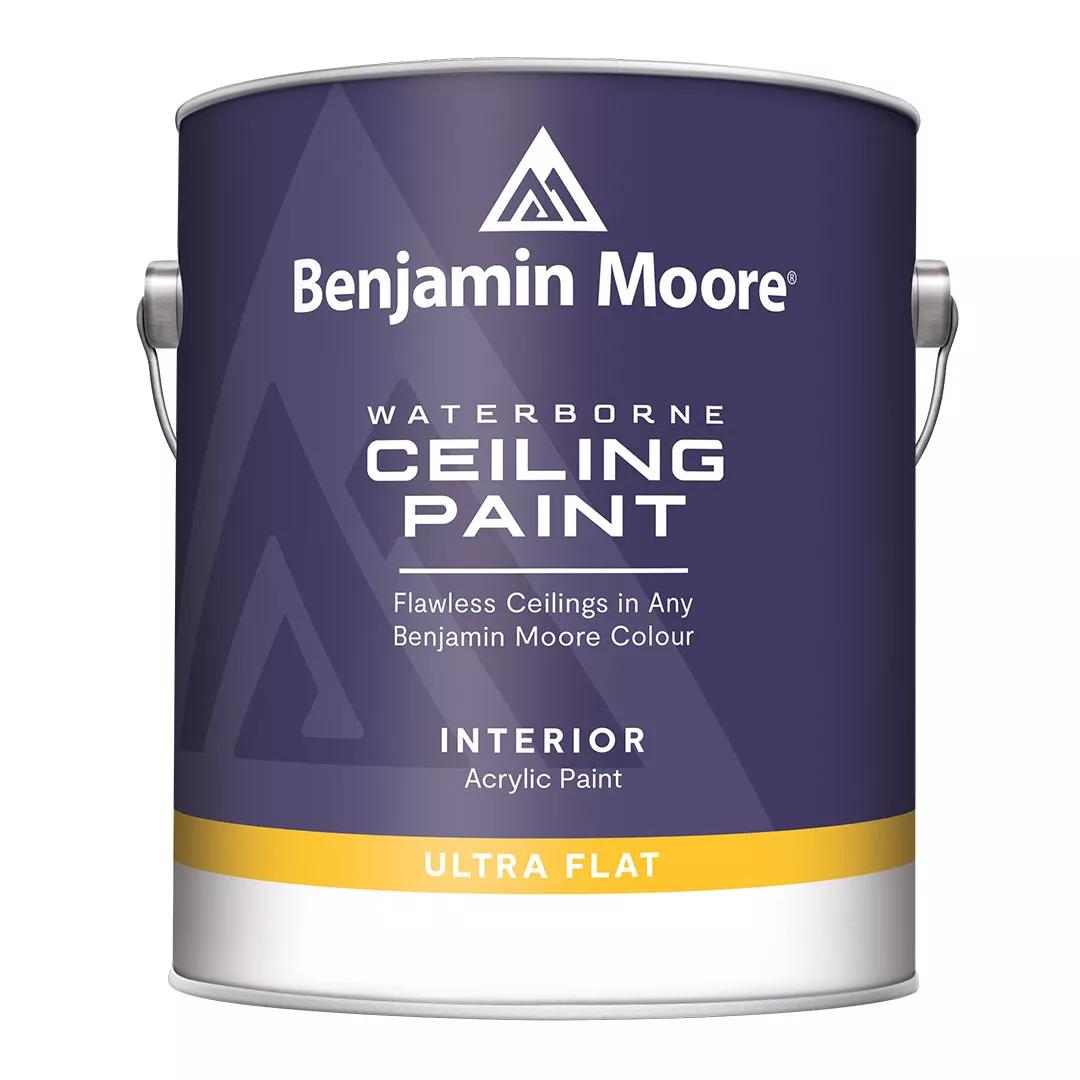
Benjamin Moore Waterborne Ceiling Paint
Ultra Flat · F508
0–2 sheen at 85° · formulated to reduce glare
Our smooth-ceiling recommendation offers a low-reflection finish and is formulated to minimize spatter and lap marks. Good drywall preparation remains essential: paint cannot level a poorly finished ceiling. [12]
Where we would use it: Smooth ceilings where glare and the visibility of minor surface irregularities are concerns.
For kitchens, choose a washable wall coating in a suitable sheen, considering grease exposure and cleaning requirements. Cabinet refinishing needs a separate specification for adhesion, resistance to sticking, cleaning demands, application method and cure time. A wall paint should not become the default cabinet coating simply because it comes in semi-gloss.
For smooth ceilings and surface repairs, our ceiling painting and repair service assesses the preparation before the finish.
From our YouTube channel
Scuff-X Simply White: trim and tape reveal
Our trim video shows the sprayed finish and the reveal as masking comes away. It is a useful companion to the product recommendation: preparation and application remain part of the result.
Our recommendations
Our exterior paint order of preference
For exteriors, we begin with the substrate, existing coating, exposure and moisture conditions. These are our preferred options when the manufacturer’s specified system suits the project. The selected sheen, colour, primer and applied thickness still matter.
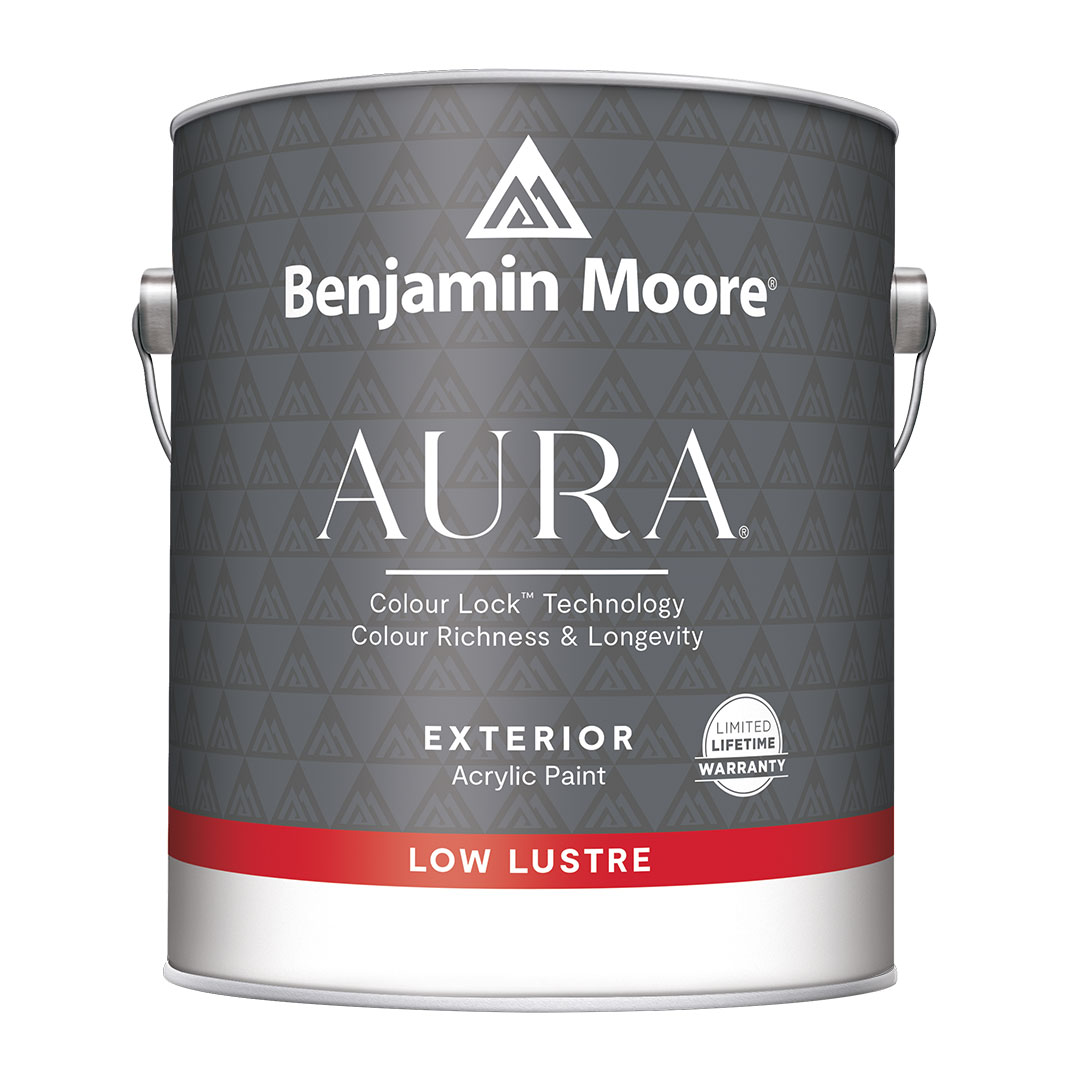
Benjamin Moore Aura Exterior
Low Lustre example · F634
46% ±2% volume solids · 100% acrylic
Aura Exterior leads our list when colour retention and weathering performance are priorities. The Canadian sheet documents Colour Lock technology, fade resistance, gloss retention and a breathable film. [5]
Where we would use it: Suitable siding, trim and masonry after assessment of the substrate, colour and exposure.
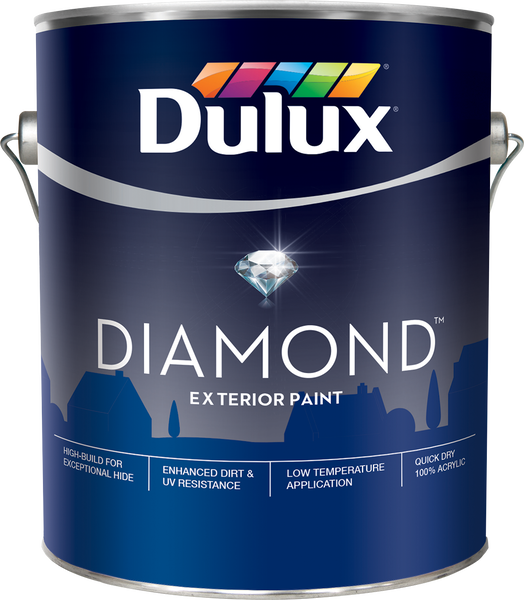
Dulux Diamond Exterior
Satin example · 16440
43% ±1% volume solids · 100% acrylic
We place Diamond above Emerald in our exterior preference order. Its high-build formula, UV resistance and suitability for several common substrates make it a strong option to price alongside Aura. [7]
Where we would use it: Suitable siding, trim, stucco and masonry with the required preparation and primer.
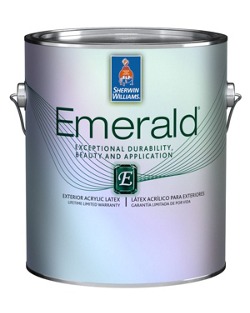
Sherwin-Williams Emerald Exterior
Flat, satin and gloss options
Acrylic latex · fade and dirt-pickup resistance
Emerald Exterior offers documented resistance to blistering, peeling, fading and dirt pickup. It remains a credible premium option when the selected finish and coating system suit the project. [25]
Where we would use it: Exterior repainting where appearance and weathering resistance are priorities.
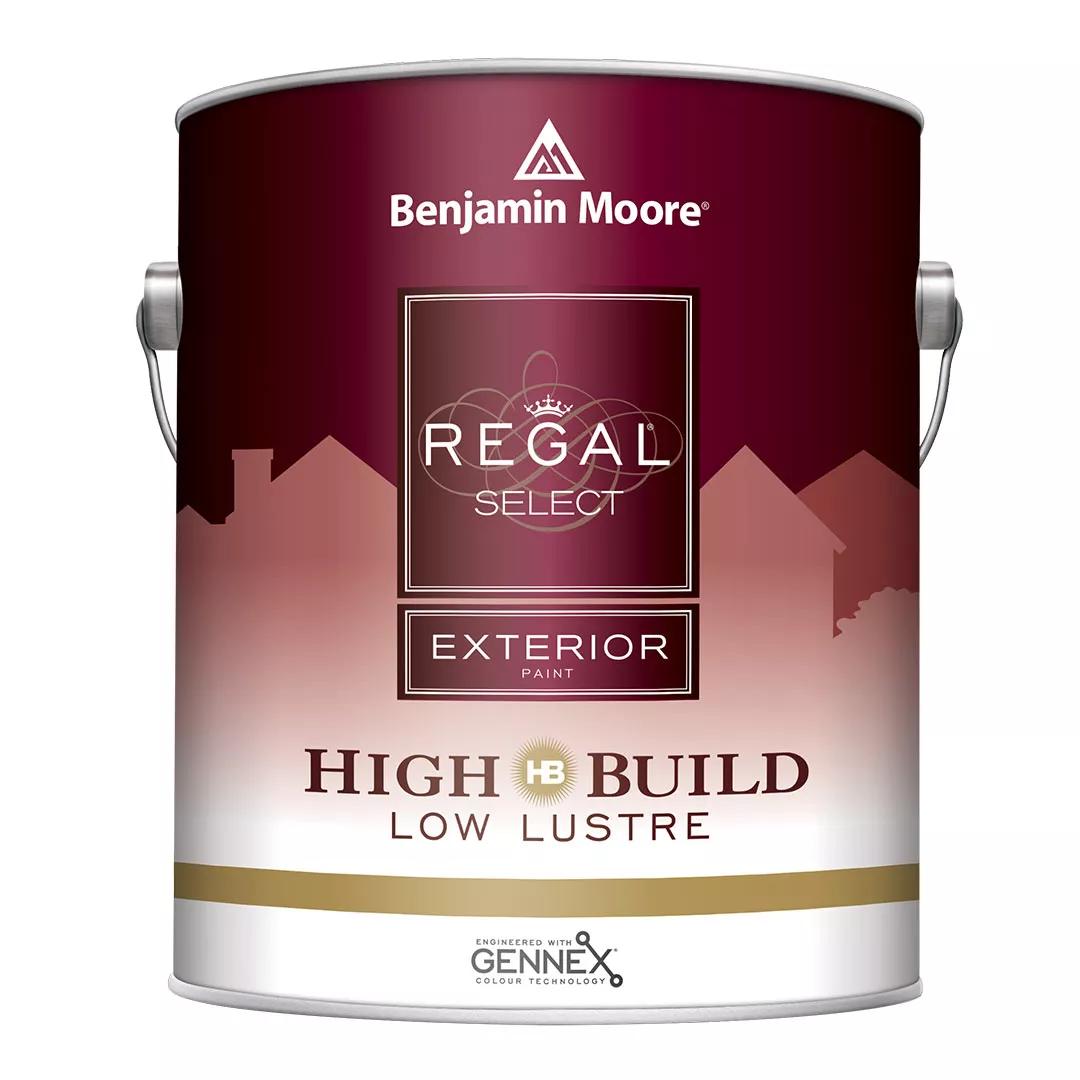
Benjamin Moore Regal Select Exterior High Build
Low Lustre example · K401
100% acrylic · high-build formula
Regal Select Exterior High Build is worth considering where the specified film build, flexibility and coverage of minor surface irregularities are useful. High build still needs a sound substrate and the correct application. [26]
Where we would use it: Suitable exterior substrates where a high-build system fits the preparation and finish plan.
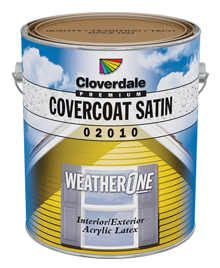
Cloverdale WeatherOne CoverCoat
Satin / GL3 · 02010
35% volume solids · 100% acrylic
WeatherOne CoverCoat includes stucco, masonry, primed wood and several siding surfaces among its uses. Its lower nominal solids figure does not, by itself, establish lower durability. [8]
Where we would use it: Compatible exterior surfaces, with substrate-specific preparation and primers.
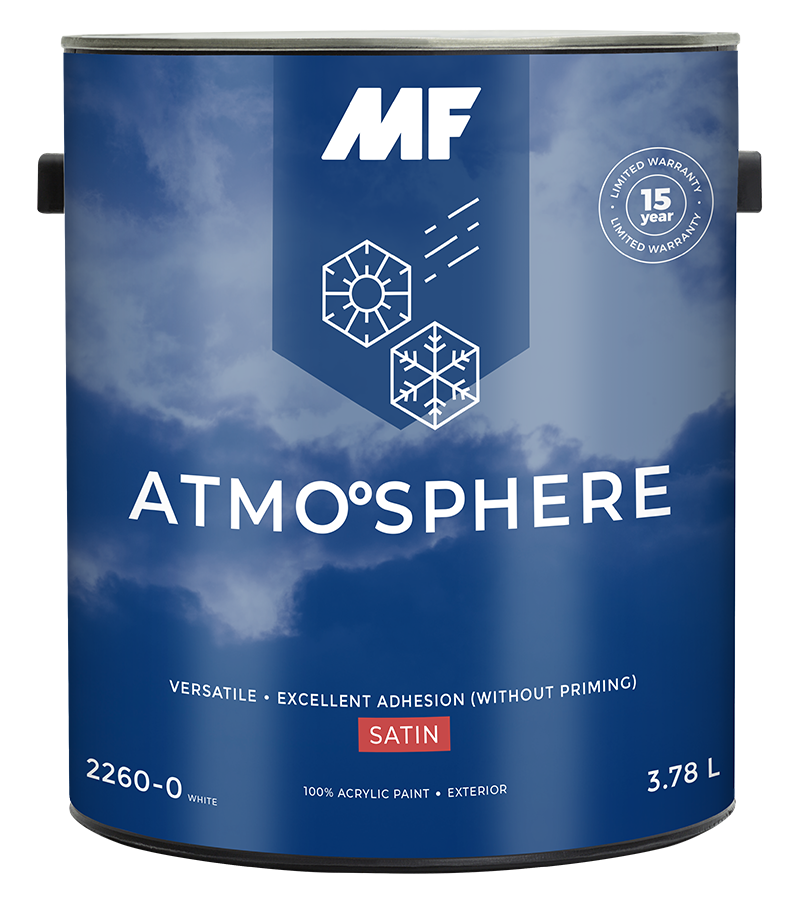
MF Atmosphère
Satin · 2260
36% volume solids · 100% acrylic
Atmosphère documents flexibility, colour retention and moisture-vapour permeability. Those are relevant properties to assess for an exterior assembly; a warranty term or solids percentage alone cannot predict service life. [9]
Where we would use it: Suitable exterior surfaces where compatibility and moisture management have been assessed.
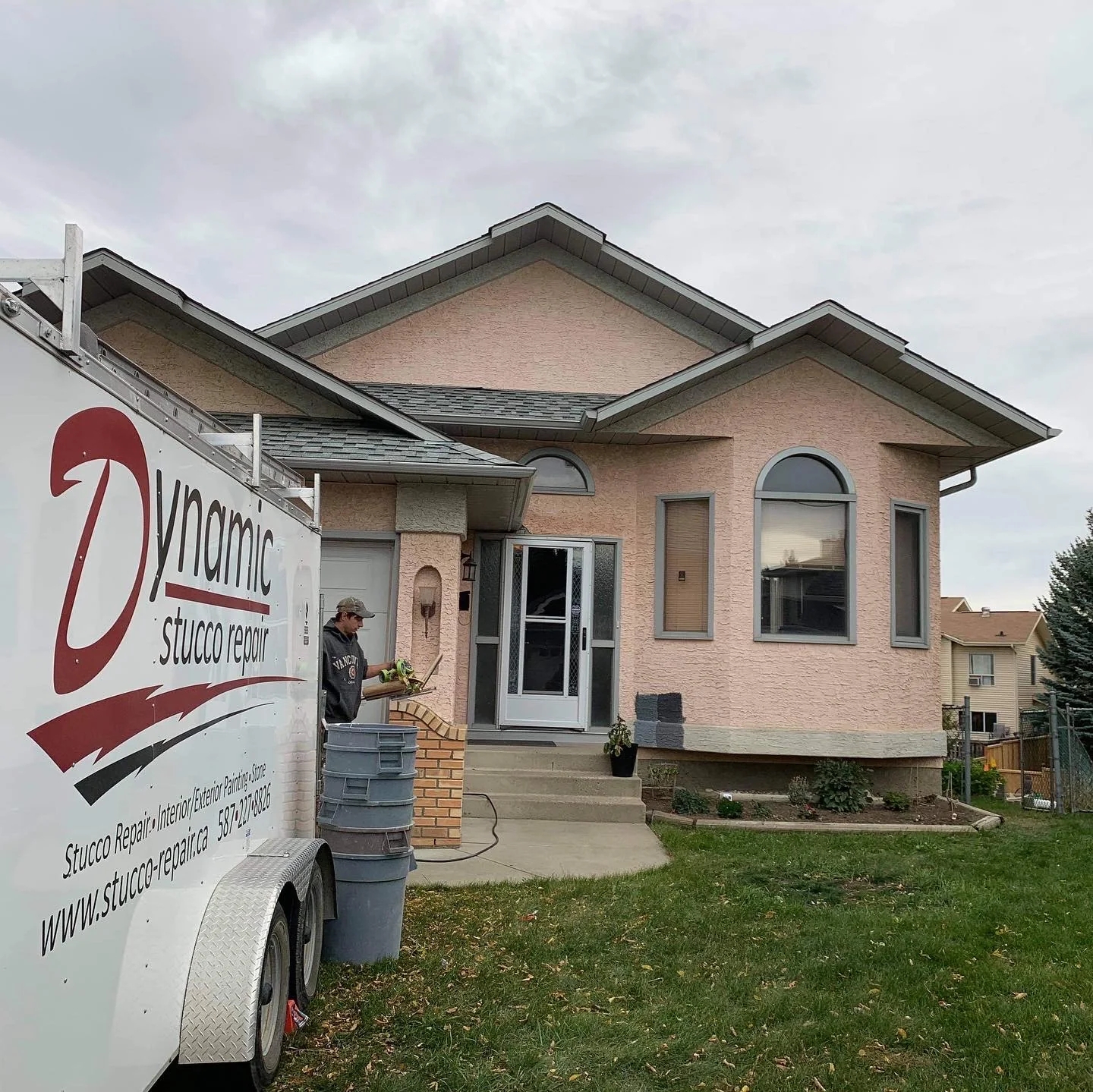
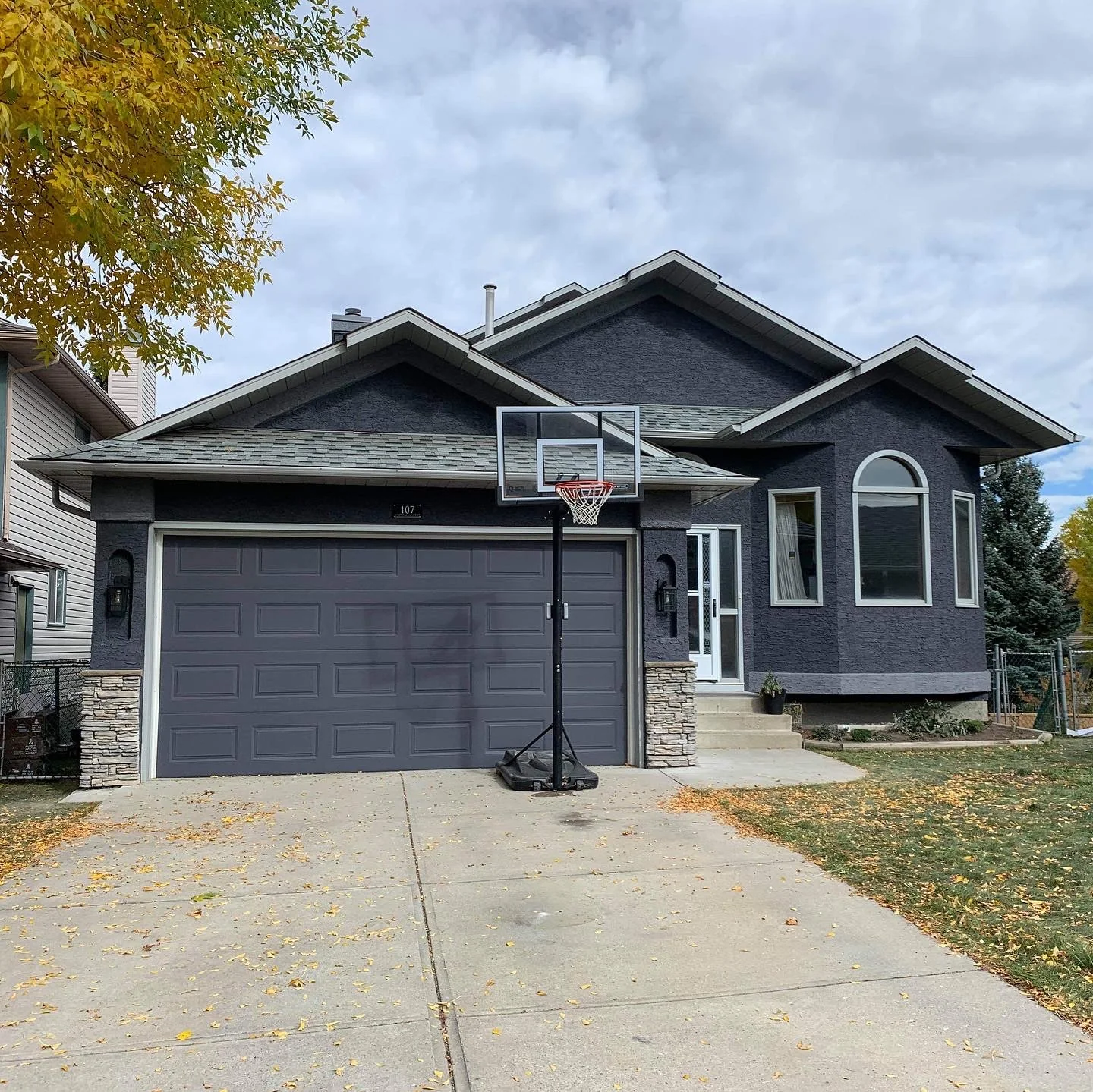
Stucco and masonry: select for the wall assembly
For our stucco repainting work, our preference is a suitable breathable acrylic coating over a properly assessed and repaired surface. Aura Exterior, Dulux Diamond Exterior and Cloverdale WeatherOne CoverCoat include stucco or masonry among their uses. MF Atmosphère is another acrylic option whose sheet addresses moisture-vapour movement. [5] [7] [8] [9]
The important checks are the existing coating, surface condition, moisture, required repairs and compatibility of the proposed system. A breathable topcoat cannot correct a moisture problem elsewhere in the wall.
Elastomeric coatings are specialized systems. They should not be treated as an automatic upgrade or a substitute for diagnosing cracks and moisture problems. Permeance needs to be compared at the relevant applied thickness and test conditions. Our approach to repairs, coating selection and preparation is explained on our stucco painting page. [21]
Why a cheaper can may cost more overall
The useful comparison is between specific products and the work needed to achieve the intended result. A less expensive paint may be suitable for a lightly used room. It may be a poorer choice if the project requires extra coats, frequent cleaning or resistance to heavy contact.
The retailer does not establish the chemistry. Behr, for example, describes its Canadian Premium Plus Interior Eggshell as 100% acrylic. It would be inaccurate to claim that paint sold at a big-box store necessarily uses an inferior binder. [18]
Compare preparation and primer requirements, material needed at the specified spreading rate, the coats required for the colour and surface, application labour, and expected cleaning and maintenance.
Premium paint can justify its cost when its performance solves a real problem. The strongest explanation is what the upgrade contributes, rather than an unsupported promise that it will last three times longer.
“Paint and primer in one” still has limits
A self-priming paint may be suitable on the properly prepared surfaces listed by its manufacturer. The label does not remove the need for a separate primer when the substrate or problem requires one. Bare or repaired areas, stain migration, glossy existing coatings and adhesion-sensitive surfaces need their own assessment.
Benjamin Moore’s guidance, for example, points to special-purpose primers for water stains, smoke damage, grease stains and very slick surfaces. Some colours also require a specified tinted primer. Follow the exact product’s technical sheet rather than treating “paint and primer in one” as a universal coating system. [29]
Our guide to primer before painting explains how we match the primer to the surface and the problem it needs to solve.
What matters on a Calgary or Airdrie exterior
Our exterior painting work in Calgary and painting projects in Airdrie need to account for sunlight, moisture, temperature changes and the condition of the building.
- UV exposure: the World Health Organization explains that UV levels increase by about 10% for each 1,000 metres of altitude. It also notes that fresh snow can reflect up to 80% of UV. These are general exposure facts, not measurements of how quickly a particular wall coating will fail. [19]
- Rapid warming: chinooks can bring sharp temperature changes to southern Alberta. We consider the movement and weather exposure the coating system must accommodate. [20]
- Different elevations: sun-exposed walls may face more heat and colour stress, while shaded areas may dry more slowly. Inspect each side of the home rather than assuming every wall will age the same way.
Chalking is the powdery residue that can develop as a coating weathers and pigment becomes less firmly held. It needs to be assessed and addressed before repainting. Loose coatings, contamination, damaged areas and sources of moisture also belong in that assessment.
Dark colours require particular care on vinyl. Follow both the coating manufacturer’s colour restrictions and the siding manufacturer’s instructions; excessive heat absorption can distort the siding. [5] [7] [8]
A low-temperature application rating is only part of the decision. Surface temperature, overnight conditions, dew, rain and drying time also matter. Our paint preparation guide explains the work that supports the finish.
From our YouTube channel
Preparation through to the finished room
Our interior preparation and reveal video brings the process back to the job site. A suitable coating still needs a clean, sound surface, careful protection and the specified application.
Frequently asked questions
How long should exterior paint last in Calgary?
There is no single number. Preparation, moisture conditions, the coating system, film build, colour, maintenance and each wall’s exposure all affect service life. Inspect the surface rather than treating the title’s five and fifteen years as a guarantee.
Is more expensive paint always better?
No. An upgrade is worth considering when its hiding, scuff resistance, colour retention or other performance solves a real problem on the project. A mid-range product may be suitable for a lightly used room.
Does higher volume solids mean better paint?
It means more dry-film thickness at the same wet thickness. It does not reveal the complete formula or establish a durability ranking.
Can I match a Benjamin Moore colour in another paint?
A store can attempt a colour match, which should be checked in the actual room. The match does not reproduce the original paint’s binder, additives or coating performance.
Is elastomeric paint the best choice for stucco?
It is not an automatic best choice. Our preference starts with a compatible breathable acrylic system, appropriate repairs and an assessment of moisture and the existing coating. The wall assembly determines the specification.
Dynamic Painting Inc.
Choose the coating for the job.
For many homes, that means Aura or Diamond Distinction for a premium interior finish, Regal Select for everyday walls, and Scuff-X where contact is heavy. Bathrooms, ceilings, trim and exteriors each deserve their own assessment.
The product, preparation and application work together. We will explain what we recommend for your home and why.
Planning an interior or exterior repaint in Calgary or Airdrie? Contact Dynamic Painting Inc. at paintcalgary.ca.
Request a painting estimate →Sources and image credits
Manufacturer documentation checked October 30, 2026. The graph data and product specifications identify the cited formulation and finish; sheet dates and nominal figures can differ from earlier versions. Manufacturer performance descriptions are distinguished from Dynamic Painting’s preference order.
- Benjamin Moore Regal Select F549 — Canadian technical sheetmedia.benjaminmoore.com
- Benjamin Moore Aura Interior F524 — Canadian technical sheetmedia.benjaminmoore.com
- Benjamin Moore Scuff-X F485 — Canadian technical sheetmedia.benjaminmoore.com
- Dulux Diamond Interior 151100 — technical sheet, July 2026ppcdatasheets.z20.web.core.windows.net
- Benjamin Moore Aura Exterior Low Lustre F634 — Canadian technical sheet, June 2026media.benjaminmoore.com
- Benjamin Moore Aura Exterior Satin F631 — Canadian technical sheet, June 2026media.benjaminmoore.com
- Dulux Diamond Exterior Satin 16440 — technical sheet, September 2020ppcdatasheets.z20.web.core.windows.net
- Cloverdale WeatherOne CoverCoat 02010 — French technical sheet, March 2025pldb.cloverdalepaint.com
- MF Atmosphère 2260 — technical sheet, March 2021www.peinturesmf.com
- Benjamin Moore Aura Bath & Spa K532 — Canadian technical sheetmedia.benjaminmoore.com
- Benjamin Moore Scuff-X Semi-Gloss F487 — Canadian technical sheetmedia.benjaminmoore.com
- Benjamin Moore Waterborne Ceiling Paint F508 — Canadian technical sheetmedia.benjaminmoore.com
- Sherwin-Williams Emerald Interior — manufacturer product informationwww.sherwin-williams.com
- Sherwin-Williams — paint ingredients and qualitywww.sherwin-williams.com
- Chemours Ti-Pure — titanium dioxide for coatingswww.tipure.com
- Covia — engineered kaolin for coatingswww.coviacorp.com
- 3M — ceramic microsphereswww.3mcanada.ca
- Behr Premium Plus Interior Eggshell — Canadawww.behr.ca
- World Health Organization — ultraviolet radiation and environmental exposurewww.who.int
- Alberta Natural Regions — Chinooks, archived by Library and Archives Canadaepe.lac-bac.gc.ca
- Dynamic Painting — stucco assessment, repairs and coating approachpaintcalgary.ca
- Dulux Diamond Distinction 51100 — current linked technical sheet, November 2025ppcdatasheets.z20.web.core.windows.net
- Cloverdale Super2 Eggshell 43051 — manufacturer product informationwww.cloverdalepaint.com
- MF Designer Plus 2050 — manufacturer technical sheetwww.peinturesmf.com
- Sherwin-Williams Emerald Exterior — manufacturer product informationwww.sherwin-williams.com
- Benjamin Moore Regal Select Exterior High Build — manufacturer product informationwww.benjaminmoore.com
- Canadian Centre for Occupational Health and Safety — Safety Data Sheetswww.ccohs.ca
- Cloverdale Paint — product, technical and tinted-product safety documentationwww.cloverdalepaint.com
- Benjamin Moore — Paint and Primer In Onewww.benjaminmoore.com
Product photographs: Benjamin Moore, Dulux, Sherwin-Williams, Cloverdale Paint and MF Paints, linked from each product card. Project photographs: Dynamic Painting Inc., including its project archive and interior painting collection. Videos: Dynamic Painting’s “Dynamic Calgary” YouTube channel. Graphs prepared for this article from the cited data. A project photograph does not identify a particular paint product unless the accompanying text says so.