Sound, stable stucco
Faded colour, normal weathering and a stable existing surface may be good candidates for cleaning, localized correction and a compatible coating system.
Repair-first stucco painting for Calgary-area homes, built around crack assessment, compatible preparation and breathable masonry coatings. Stucco repairs are included within painting projects; standalone repairs are not offered.
Yes—stucco should be assessed before painting so cracks, damaged areas, failed transitions and possible moisture clues can be addressed at the correct level.
Paint can improve colour and provide a renewed protective finish. It should not be used to disguise movement, active water entry or damage that belongs to another repair scope.
This home’s repair-and-paint project changed the exterior colour while retaining the stucco texture and contrasting architectural details.
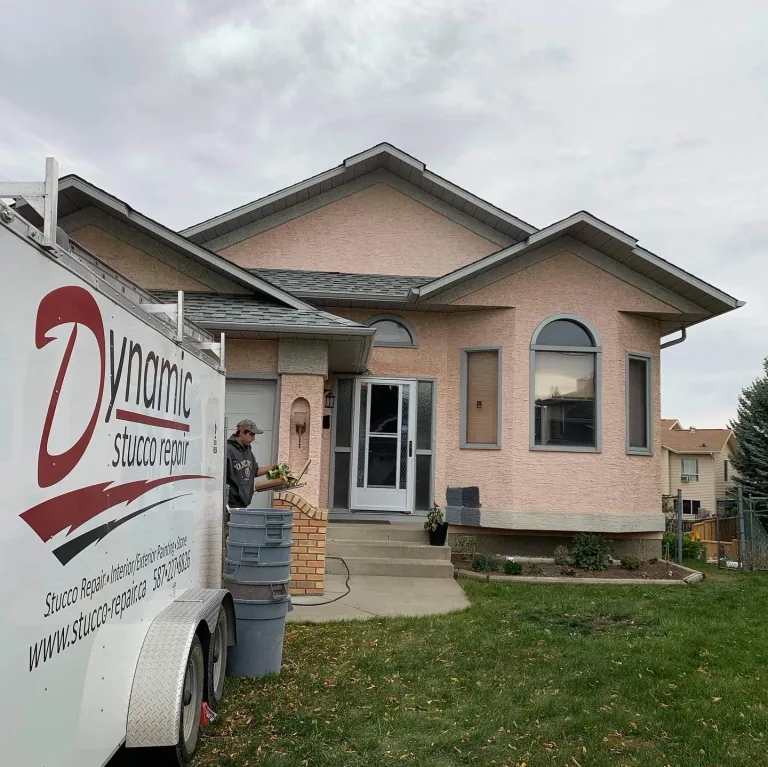
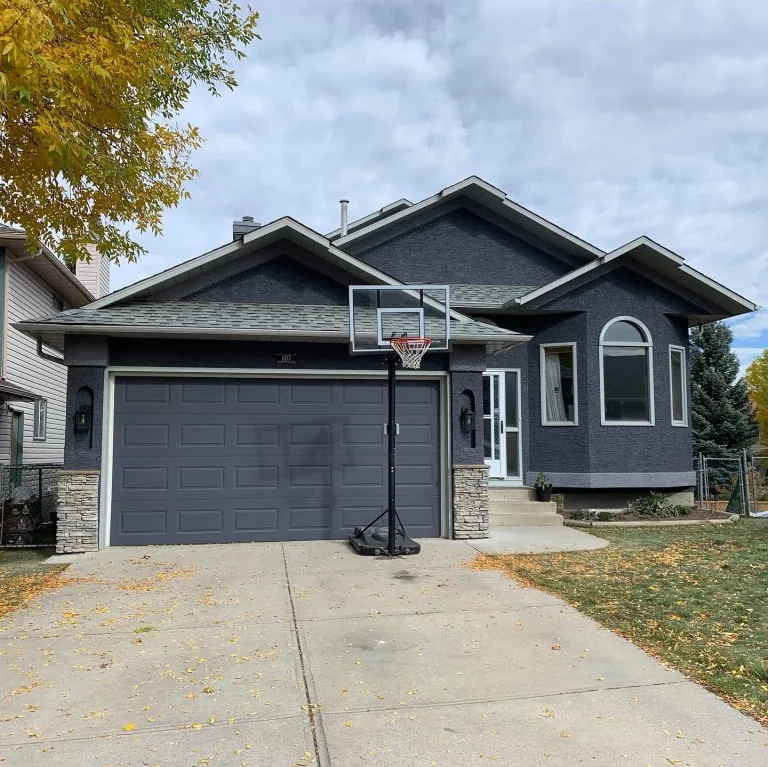
For your home, the estimate identifies repair needs, access and a compatible coating system. Stucco repairs are part of our painting projects.
The goal is not to label every crack as harmless—or every crack as a crisis. Location, pattern, width, movement and surrounding conditions all matter.
Faded colour, normal weathering and a stable existing surface may be good candidates for cleaning, localized correction and a compatible coating system.
Chips, localized patches, failed caulking, damaged corners and suitable cracks may need correction before the coating work begins.
Active moisture, roof or flashing issues, window leaks, structural movement and widespread failure should be reviewed by the appropriate trusted contractor—not hidden under paint.
For more background, hear Marc discuss materials and water-management details in our 2021 stucco interview with No Payne Roofing and Nexgen.
Exterior stucco needs a compatible system that can tolerate Calgary exposure while allowing appropriate vapour movement. A heavy film is not automatically a better film.
The exact preparation changes with the wall. The sequence should still be understandable before work begins.
Review cracks, patches, texture, transitions, moisture clues, coating condition and access.
Separate included stucco corrections from concerns that require another trade or further review.
Wash, dry, repair, caulk, mask and prime where the selected system requires it.
Apply the compatible masonry finish in suitable conditions and complete a final walkthrough.
Stucco painting contractors should assess the existing surface before they promise a colour, coating or number of coats. Calgary sun, wind and freeze-thaw exposure can leave different elevations with different preparation needs.
A dusty or chalking surface, loose old paint and weak previous patches are not sound foundations for a fresh masonry coating. Cleaning, drying and product compatibility must suit the actual wall instead of treating every stucco house the same.
Hairline cracking, damaged corners, failed caulking and earlier repairs need different decisions. The goal is a stable repair and an appropriate visual blend—not filling every crack indiscriminately or asking paint to hide movement.
Recurring staining, soft material and suspected water entry may require another trade before painting. Once the wall is ready, the coating must remain appropriate for the stucco, existing finish and local exposure.
For the complete process across interiors, exteriors, masonry and wood, read our professional paint preparation guide. For a focused homeowner explanation, see how stucco should be prepared before painting.
Open a product below to see where it may fit and what affects the choice. Use this guidance to compare options and prepare questions for your estimate; we confirm the system after assessing your surface and existing finish.
Browse 19 stucco painting photos in our Gallery →Filter by surface, colour words or project stage to find ideas for your home. Products shown above are options, not confirmed products used in these photographs.
Stucco pricing should reflect the wall condition and protection needs—not just a rough house footprint.
For budgeting examples and an explanation of repair, access and coating costs, Read the stucco and exterior painting cost guide.
Request a project-specific estimateConfidence starts before the coating
We review the condition, previous coatings, visible cracking, moisture concerns and appropriate breathable coating options before confirming the written scope.
No upfront deposits. Payment upon completion. Read homeowner FAQs →
For non-stucco siding, trim, doors and garage doors, see our Calgary exterior painting page.
Our stucco repairs are completed as preparation within a stucco painting project. We do not offer standalone stucco repair work. Moisture, structural or building-envelope problems may require another qualified trade before painting.
Cracks and damage should be assessed before coating. Some hairline conditions may be managed within the coating plan, while wider, recurring or movement-related cracks can require specific repair or investigation first.
No. Dynamic Painting does not use elastomeric paint as a blanket solution for residential stucco. We favour compatible, breathable masonry coating systems and repair-first planning.
We do not recommend indiscriminately sealing stucco. The wall must be able to manage vapour and moisture, and the coating system needs to remain compatible with the existing assembly.
Many colour changes are possible, but very dark colours, dramatic transitions, exposure and existing texture can affect coverage and system selection. Colour and coating decisions are reviewed together.
Painting should not hide a building-envelope, roofing, flashing, window or structural concern. We identify the limitation and may recommend that an appropriate trusted contractor review it before coating continues.
Cost depends on paintable area, number of elevations, height, access, repairs, masking, colour change and coating selection. A site-specific written estimate is more reliable than an online price based only on house size.
Chalking must be assessed and suitably cleaned before coating. The existing finish, remaining surface stability, drying conditions and the selected masonry coating determine whether additional preparation or primer is needed.
A useful written estimate identifies the elevations, crack and patch preparation, washing and drying, protection, access, coating compatibility, colour expectations and any concerns that require a separate repair scope.
These focused guides support this topic with practical answers, preparation details and project-planning advice.
Identify dirt, rust, moisture marks and other stucco stains before cleaning. Learn why the cause and surface condition should guide the treatment.
Compare stucco fog coats and full repaints. Learn how surface condition, previous coatings and repairs affect the right approach for your Calgary home.
Learn why stucco needs to release moisture and how unsuitable coatings can interfere. Consider drainage, repairs and coating compatibility before painting.
Compare stucco repair and full replacement for Calgary homes. Consider the extent of damage, moisture issues, scope and cost before deciding.
Identify stucco cracks and damaged areas that need repair before painting. Understand why moisture problems and loose material need attention first.
Learn what affects stucco paint lifespan in Calgary, including surface repairs, coating selection, exposure and maintenance between repaints.