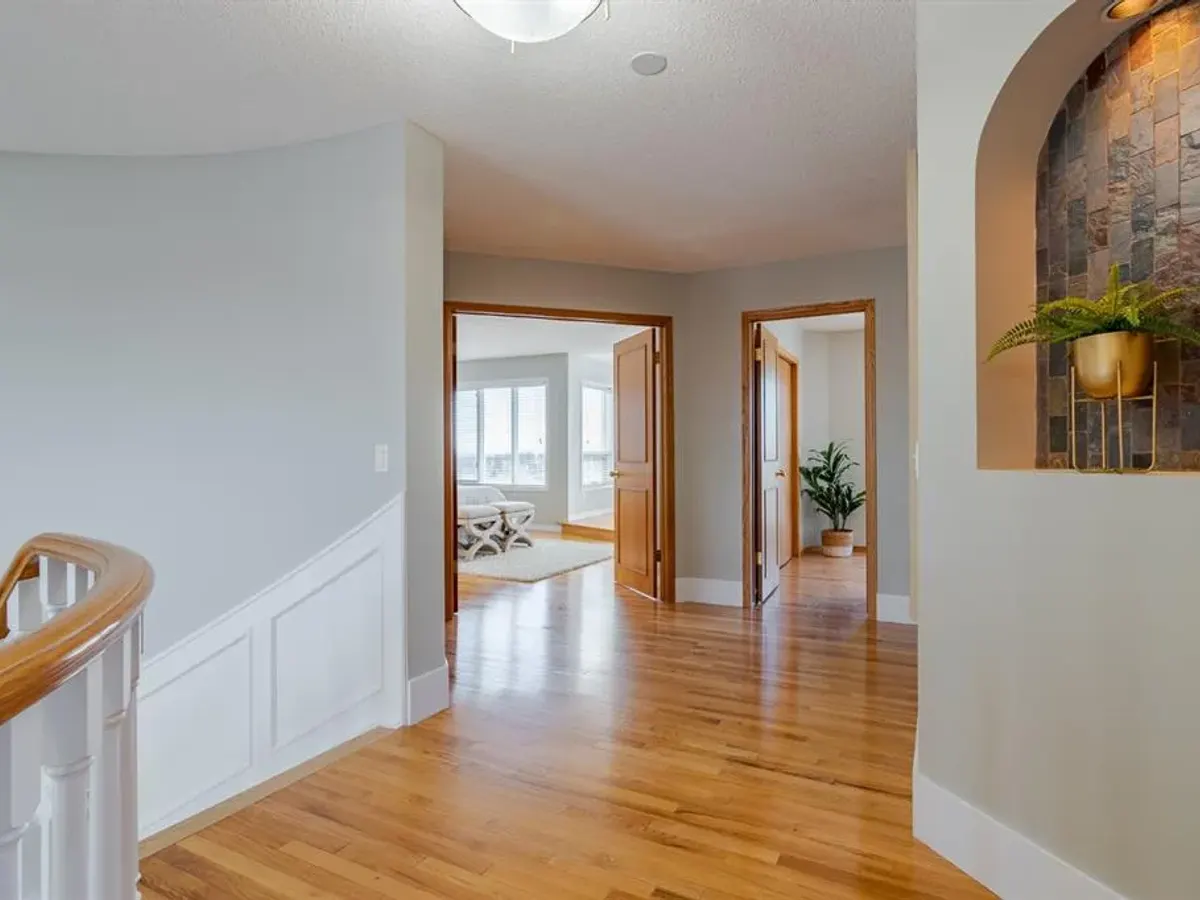
Start with the gentlest method your paint manufacturer allows, test a hidden spot, and judge it after it dries. A mark disappearing is only half the job. The surrounding colour and sheen should still look the same. More pressure is not the automatic next step when a mark refuses to move.
For Calgary and Airdrie homeowners freshening up a hallway or living room, that gives you a useful goal: remove what is sitting on the paint without wearing away the paint itself. This guide covers routine care of sound, painted interior walls, not wallpaper, decorative coatings, mould treatment or surface preparation for repainting.
Before cleaning, identify the paint and its condition
Look for the product line and sheen on the leftover can, invoice or painter's record. A colour name alone does not identify the coating. Our room-by-room paint record helps connect the right can and care instructions to each surface.
Sheen is a clue, not permission to scrub. Benjamin Moore advises a gentler touch on lower-sheen finishes. Check the actual product's maintenance instructions rather than assuming every matte, eggshell or satin paint behaves identically. The broader paint-finish guide covers choosing a sheen; the job here is caring for the finish already on your wall.
Fresh paint needs a separate check
Dry to the touch and ready for washing are different stages. Benjamin Moore's care guidance distinguishes drying from curing, when the coating hardens. Follow the cleaning interval for your exact product and the conditions it was applied in. Do not substitute its recoat time for its cleaning-ready time.
When the product or painting date is unknown, ask the painter or manufacturer before starting a wall-washing session. A fresh spill may need prompt advice, but that is not a reason to scrub a newly painted surface.
Use a small test before tackling the visible mark
Choose an inconspicuous area with the same paint, not an adjacent door or baseboard that might have a different coating. Use the same cloth, cleaning solution and gentle pressure you plan to use on the mark.
- Look first. Note the existing colour, shine and texture. A phone photo can help you remember the test location, although it is not a precise colour measurement.
- Try the permitted method on a small spot. Keep the cloth damp rather than dripping, and avoid repeated rubbing.
- Let the spot dry. Check it from straight ahead and from an angle in the room's usual light.
- Compare the finish, not just the dirt. Do not extend the method if the test leaves a lighter patch, a shiny spot, a water mark or softened paint.
Sherwin-Williams recommends an inconspicuous test and checking for marks after drying. A wet patch is not a reliable finished result. Change the cleaner or cloth, and you need a new test.
A cleaning decision guide: continue, pause or stop
Use this as a practical decision aid, not a promise that every stain can be removed. The manufacturer's directions and the result of your test come first.
| What you find | Your next move |
|---|---|
| Loose surface dust on sound paint | Gently dust with a clean, soft tool before considering water. |
| A light mark improves with plain water, without changing the dried finish | Continue gently with that tested method. No stronger cleaner is needed. |
| Water does not lift the mark, but the paint remains unchanged | Check whether the product permits mild soap, then test that separately. |
| A patch becomes shinier, paler, sticky or rough | Stop. Do not turn a small mark into a larger damaged area. |
| Paint is peeling, blistering or missing | Set cleaning aside and have the coating or underlying surface assessed. |
Keep the cleaning method simple
For a washable, sufficiently cured finish, gather a soft non-abrasive cloth or sponge, clean water, a separate rinse cloth and a soft towel. Protect the flooring below. Dust first, then try a little warm water. If the coating permits it and water is not enough, test mild dish soap diluted in water.
Work in manageable sections, with light pressure. Keep your cloth clean, remove soap with a separate damp cloth and gently blot away excess moisture. Do not flood the wall or leave water collecting along trim. Apply solution to the cloth rather than spraying around switches or outlets; keep electrical fittings dry.
Benjamin Moore's wall-cleaning guide explains the water-first approach, mild detergent, rinsing and drying. You do not need a stronger product when the mild method already works.
A shiny patch may be burnishing, not leftover dirt
Burnishing is an unwanted increase in sheen caused by rubbing or scrubbing. Contact from furniture can also contribute. Sherwin-Williams describes these causes in its burnishing guidance.
That distinction changes what you do next. A hand mark that lifts away is a cleaning problem. A dry area that now reflects more light may be a finish-change problem. Do not keep attacking it with a stronger cleaner just because it looks different from the rest of the wall.
If a patch remains after drying, photograph it from a couple of normal viewing angles and note what you used. That gives the painter or coating supplier more useful information than another round of trial and error. A photograph alone cannot confirm the cause.
Three reasons to put the cloth down
The paint is coming off. If colour matching the wall transfers to the cloth, or the coating becomes thinner or soft, stop. Sherwin-Williams identifies inadequate curing and abrasive cleaning as potential causes of paint wearing away during washing. The right response is to reassess the surface, not press harder.
The next tool is abrasive. Scouring pads and melamine cleaning erasers are not our default recommendation for painted walls. Benjamin Moore's care guide cautions against abrasive sponges and harsh cleaners. A stain remover suitable for tile is not automatically suitable for paint.
You are trying to clean away missing paint. Washing cannot replace a chipped or worn coating. Keep repair and matching decisions separate; our guide to why paint touch-ups do not always match explains that next step. A stubborn mark does not automatically mean the whole room needs repainting.
Keep a short cleaning-test note
Add this note to your existing paint record rather than starting another product list:
- Where: room, wall and test location.
- What you tried: water or the exact cleaner and label dilution, plus cloth or sponge type.
- What happened after drying: mark removed, partly improved, unchanged, or finish altered.
- Decision: use the tested method, check manufacturer advice, or stop and assess a repair.
For example, a useful note might read: “Upstairs hall, behind the open door: damp soft cloth; finish unchanged after drying; water lifted the light mark.” That is an illustration of the record, not a report from the photographed project. Record the result you actually see, including unsuccessful tests.
Need help with a worn wall?
Bring your paint record and cleaning-test notes to an estimate. Dynamic Painting's interior painting service in Calgary and Airdrie includes reviewing the surfaces and defining the proposed work in a written scope. We can assess repainting needs without assuming every mark calls for a full-room refresh.
Book a free painting estimate for the walls you are considering repainting.