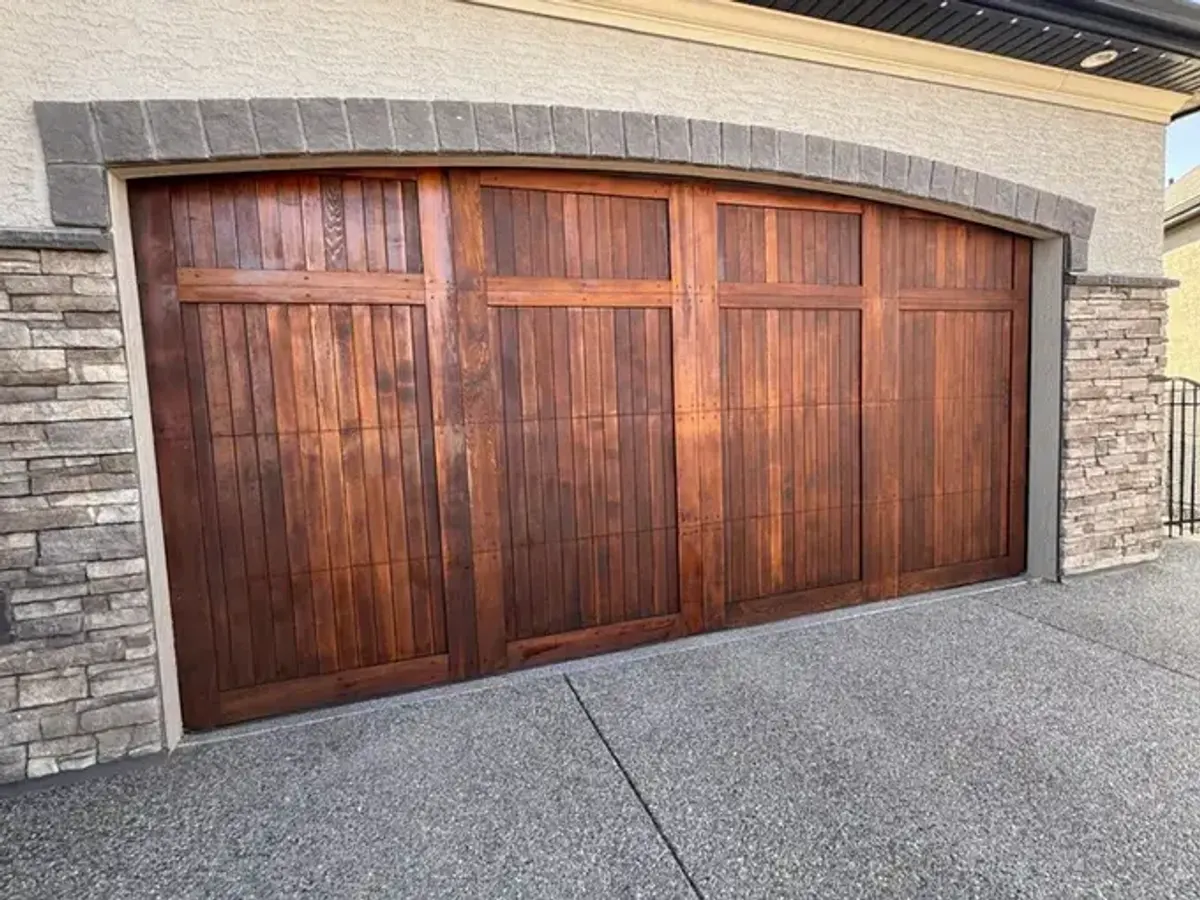
Oxalic Acid for Wood Restoration
Grey deck boards, black tannin stains, faded cedar, and early stain failure often start with poor wood preparation. Oxalic acid is one tool professionals may use to brighten weathered exterior wood and prepare it for refinishing.
This guide explains what oxalic acid does, why wood brightening matters, how it fits into deck prep, and when Calgary homeowners should contact a professional instead of guessing with restoration chemicals.
View Deck Refinishing Services Request a Free EstimateQuick Answer: What Does Oxalic Acid Do for Wood?
Oxalic acid is commonly used as a wood brightener to reduce grey oxidation, tannin staining, and discoloration before exterior wood is stained or refinished. It is often discussed for decks, pergolas, fences, cedar, redwood, and other exposed wood surfaces.
It is not a magic shortcut. It works best as part of a complete prep system that includes cleaning, careful application, thorough rinsing, proper dry time, sanding where needed, and a finish system matched to the wood.
Why Exterior Wood Turns Grey, Blotchy, and Stained
Exterior wood turns grey because sunlight breaks down exposed wood fibres. Over time, the surface becomes dull, faded, and weathered. On horizontal surfaces like decks, that damage happens faster because boards take direct UV exposure, rain, snow, foot traffic, and freeze-thaw stress.
On cedar and redwood, dark blackish staining is often related to tannins. These natural compounds can move toward the surface when moisture passes through the wood. Washing alone may not fully solve this problem because the stain can be chemical, not just surface dirt.
Grey Weathered Wood
Usually caused by UV damage, oxidized surface fibres, old stain breakdown, and long-term exposure.
Black Tannin Stains
Often caused by natural tannins reacting with moisture, metal, old coatings, or exterior exposure.
Key takeaway: grey wood and tannin staining often need more than pressure washing. They need the right restoration sequence.
What Oxalic Acid Actually Does
Oxalic acid reacts with certain stains, oxidation, and tannin discoloration near the surface of wood. It is often used after washing or stripping to help bring weathered wood closer to a cleaner, more natural tone before finishing.
When used correctly by someone who understands wood restoration, it can help old wood look cleaner and help the final stain appear more even. When handled poorly, it can leave residue, affect surrounding surfaces, damage landscaping, or create problems for the next coating.
- Brightens weathered wood: helps reduce grey UV oxidation.
- Targets tannin staining: useful on cedar, redwood, and other tannin-rich woods.
- Improves visual consistency: helps reduce blotchy colour before staining.
- Helps after stripping: supports pH correction after alkaline removers are used.
- Supports better finishing: only when paired with rinsing, drying, sanding, and the right stain system.
Important: oxalic acid should not be treated like a basic household cleaner. It is a restoration chemical and should be handled with care by someone who understands exterior wood restoration, surrounding surface protection, and coating compatibility.
The pH Reset: Why Wood Brightening Matters After Stripping
Many stain removers and deck strippers are alkaline. They help break down old coatings, but they can leave the wood surface chemically imbalanced. If stain is applied before the surface is properly rinsed and corrected, the finish may not absorb or bond as expected.
Oxalic acid can help bring the wood back toward a better condition for staining. This is one reason professional deck restoration is not just “wash and stain.” It is a sequence of cleaning, stripping if needed, brightening, rinsing, drying, sanding, and finishing.
| Step | Purpose | Why It Matters |
|---|---|---|
| Clean or Strip | Remove dirt, old coating, mildew, and surface contamination. | Stain cannot perform properly over failed coating or contamination. |
| Brighten | Reduce greying, tannin staining, and alkaline residue. | Helps reset the surface before staining. |
| Rinse Thoroughly | Remove chemical residue from the boards. | Residue can interfere with stain penetration and adhesion. |
| Dry Properly | Allow wood moisture content to stabilize. | Staining damp wood can cause poor absorption or finish failure. |
| Sand the Surface | Smooth raised grain and open the wood for consistent finish. | Creates a better surface for stain application. |
Professional Painter Insight: Oxalic Acid Is Only One Part of the System
Oxalic acid can help restore the look of wood, but it does not replace sanding, dry time, product selection, or proper staining technique.
One of the biggest deck refinishing mistakes is treating wood brightener as the whole solution. The chemical reset can help, but the finish still depends on the next steps: proper rinse, enough dry time, mechanical sanding where needed, dust control, and the right stain system for Calgary conditions.
At Dynamic Painting, the value is not simply knowing that a wood brightener exists. It is knowing whether the surface needs it, what other prep is required, how to protect surrounding areas, and how to prepare the surface afterward.
Why Calgary Decks Need Better Prep Than Average
Calgary decks and exterior wood surfaces face intense UV exposure, dry wind, snow load, freeze-thaw movement, summer heat, and sudden weather changes. That kind of environment punishes shortcut prep.
If wood is stained while it is still grey, dirty, chemically imbalanced, damp, or fuzzy from washing, the finish may sit on top instead of soaking in properly. That is when homeowners see early peeling, uneven colour, blotchy absorption, or a deck that looks tired again too soon.
UV Exposure
Strong sunlight breaks down exposed wood fibres and contributes to grey weathering.
Freeze-Thaw Cycles
Seasonal movement stresses coatings, cracks, joints, and stain systems.
Dry Wind
Rapid drying can affect cleaning, brightening, rinsing, and stain application windows.
Have a Grey, Weathered, or Blotchy Deck?
If your deck is faded, stained, peeling, or absorbing water unevenly, the right next step is a professional surface assessment before restaining.
Request a Free Estimate View Deck Refinishing ServicesCommon Mistakes with Oxalic Acid Wood Brightener
Working with wood restoration chemicals requires caution. Many problems happen because the surface is not assessed first, nearby areas are not protected, the product is allowed to dry on the boards, or the wood is stained before it is ready.
Letting It Dry on the Boards
In Calgary’s dry air, wood restoration products can dry quickly. If residue remains, the next finish may not perform properly.
Assuming Stronger Is Better
More aggressive treatment is not always better. Overworking the surface can create extra sanding and finish problems.
Skipping the Final Sand
Water and chemical treatment can raise the grain. Sanding helps create a smoother, more even surface before stain.
Not Protecting Landscaping
Plants, grass, siding, metal fixtures, and nearby surfaces should be protected and rinsed properly.
Safety note: if the deck is heavily stained, peeling, soft, splintered, or previously coated with the wrong product, a professional refinishing plan is usually safer than guessing with chemicals.
Oxalic Acid vs Power Washing: Why They Are Not the Same
Power washing removes surface contamination through pressure. Oxalic acid changes the appearance and condition of the wood through chemical reaction. They are different tools for different problems.
| Method | What It Helps With | What It Does Not Solve Alone |
|---|---|---|
| Power Washing | Dirt, loose material, some mildew, surface grime, and old contamination. | Deep tannin stains, chemical imbalance, raised grain, or old coating problems. |
| Oxalic Acid Brightening | Grey oxidation, tannin staining, wood brightening, and pH correction after stripping. | Heavy coating removal, sanding needs, structural damage, or final finish selection. |
| Sanding | Raised grain, splinters, old coating remnants, rough fibres, and surface consistency. | Chemical staining, deep moisture issues, or colour correction by itself. |
Best result: professional deck restoration often uses the right steps in the right order: clean or strip, brighten where needed, rinse, dry, sand, and finish.
When Oxalic Acid Is a Good Fit
Oxalic acid can be a useful option when the problem is surface discoloration, grey oxidation, tannin staining, or chemical imbalance after stripping.
- Weathered grey deck boards
- Black tannin stains on cedar or redwood
- Blotchy colour after cleaning or stripping
- Wood that needs brightening before stain
- Deck boards affected by mild iron staining or dark mineral staining
- Alkaline residue after using a deck stripper
Not a replacement for repairs: oxalic acid does not fix rot, structural weakness, failed coatings, severe cupping, deep splintering, or loose boards.
When You Should Call a Professional Instead
If your deck is simply a little grey, a careful homeowner may be able to research the correct approach and decide whether the project is manageable. However, many Calgary decks have multiple issues happening at once: failed stain, raised grain, tannin staining, mildew, cracks, nail or screw staining, cupping, splintering, and uneven absorption.
Call a Pro When
- Old stain is peeling or flaking
- The wood is rough, fuzzy, or splintered
- The deck has heavy black staining
- The boards absorb water unevenly
- You want a longer-lasting finish
Professional Work Adds
- Surface diagnosis
- Proper restoration sequencing
- Dust-controlled sanding where needed
- Product-specific finish planning
- Safer protection for nearby surfaces
Frequently Asked Questions About Oxalic Acid for Wood Restoration
What is oxalic acid used for on wood?
Oxalic acid is commonly used as a wood brightener to reduce grey oxidation, tannin staining, and discoloration before staining or refinishing exterior wood.
Can oxalic acid remove black stains from cedar?
Yes, it can help reduce many black tannin stains on cedar and other tannin-rich woods, although results depend on the depth, age, and cause of the staining.
Does oxalic acid replace sanding?
No. Oxalic acid brightens and helps neutralize the wood, but sanding is still needed when the grain is raised, the surface is rough, or old finish remains.
Can power washing replace oxalic acid?
No. Power washing removes surface dirt and contamination, but oxalic acid handles chemical discoloration and pH correction. They solve different problems.
Is oxalic acid safe around grass and landscaping?
It can damage plants or grass if handled poorly. Professional crews protect nearby areas, control runoff, and rinse surfaces thoroughly.
Do new decks need brightening before staining?
Sometimes, yes. New wood can have mill glaze, weathering, or uneven absorption. Cleaning, brightening, and sanding may be needed before stain.
What is the best next step if my deck is grey or peeling?
The best next step is a project-specific assessment. Grey wood, peeling stain, tannin stains, and uneven absorption may require cleaning, brightening, sanding, and a proper refinishing system.
Ready to Restore Your Deck the Right Way?
If your deck is grey, stained, weathered, peeling, or uneven, Dynamic Painting can assess the surface and recommend a prep-first restoration system built for Calgary conditions.
Request a Free Quote View Deck RefinishingHelpful Pages for Calgary Homeowners
Deck and Pergola Refinishing Calgary
View deck refinishing servicesExterior Painting Calgary
For exterior siding, trim, doors, garage doors, prep, primers, and full exterior coating systems.
View exterior painting servicesFree Painting Estimate
For a project-specific quote based on actual surface condition, prep requirements, coating system, and scope.
Request a free estimateAbout Dynamic Painting
For company standards, prep-first process, trust signals, awards, insurance, WCB coverage, and local experience.
Learn about Dynamic PaintingProject Gallery
See examples of painting and refinishing work before requesting a project-specific estimate.
View project galleryStucco Painting Calgary
For stucco crack review, breathable coating choices, repair-first planning, and exterior stucco painting.
View stucco painting services