
Get a designer’s perspective
Booked clients can discuss the look they want with a professional designer, including existing finishes, natural light, evening lighting and adjoining spaces.
Our Calgary painters deliver residential interior, exterior, stucco, ceiling and exterior wood painting built around careful protection, surface-specific preparation and a clear written scope.
No upfront deposits. Payment upon completion. Two-year materials warranty; coverage details and exclusions apply.
Dynamic Painting is a Calgary-area painting company founded by Marc Sharkey. The Captain Dynamic identity makes the brand memorable, but the promise behind it is practical: protect the home, prepare each surface correctly and finish the project with pride.
“Don’t make the paint responsible for problems that should have been handled in the prep.”— Marc Sharkey, Founder
Not a generic paint package. Every service begins with the surface, its condition and the result you expect.
Walls, ceilings, trim and detailed finishes with dust-conscious preparation and careful protection.
Explore service 02Surface-specific preparation and durable coating systems selected for Calgary weather and exposure.
Explore service 03Repair-first planning, crack assessment and breathable coatings—never elastomeric paint as a shortcut.
Explore service 04Professional ceiling painting and finishing, with repairs and texture work assessed project by project.
Explore service 05Preparation and coating systems for decks, pergolas, fences, cedar and weathered exterior wood.
Explore service 06A clear written scope covering surfaces, preparation, products, access, timing and expectations.
Explore serviceLighting, existing floors, trim, adjoining rooms and the finish on each surface all change how a colour looks and performs. Booked Dynamic Painting clients can work with a professional designer to bring those decisions together.
Booked clients can discuss the look they want with a professional designer, including existing finishes, natural light, evening lighting and adjoining spaces.
Consider washability, sheen, traffic, surface condition and whether walls, trim, doors or ceilings need different products.
Review colour direction, planned surfaces, practical sampling needs and coating choices as part of the agreed project scope.
Your written estimate identifies the preparation, included finishes and project expectations before painting begins.
The care behind a clean finish
Painting your home should not mean living with avoidable dust and disorder. We plan surface protection, careful masking, dust-conscious sanding and cleanup before the work begins.
Where appropriate, Festool sanding equipment with HEPA dust extraction helps control airborne dust at the source. Furniture, floors, adjacent surfaces, household routines and pets are part of the conversation.
See how we protect your home →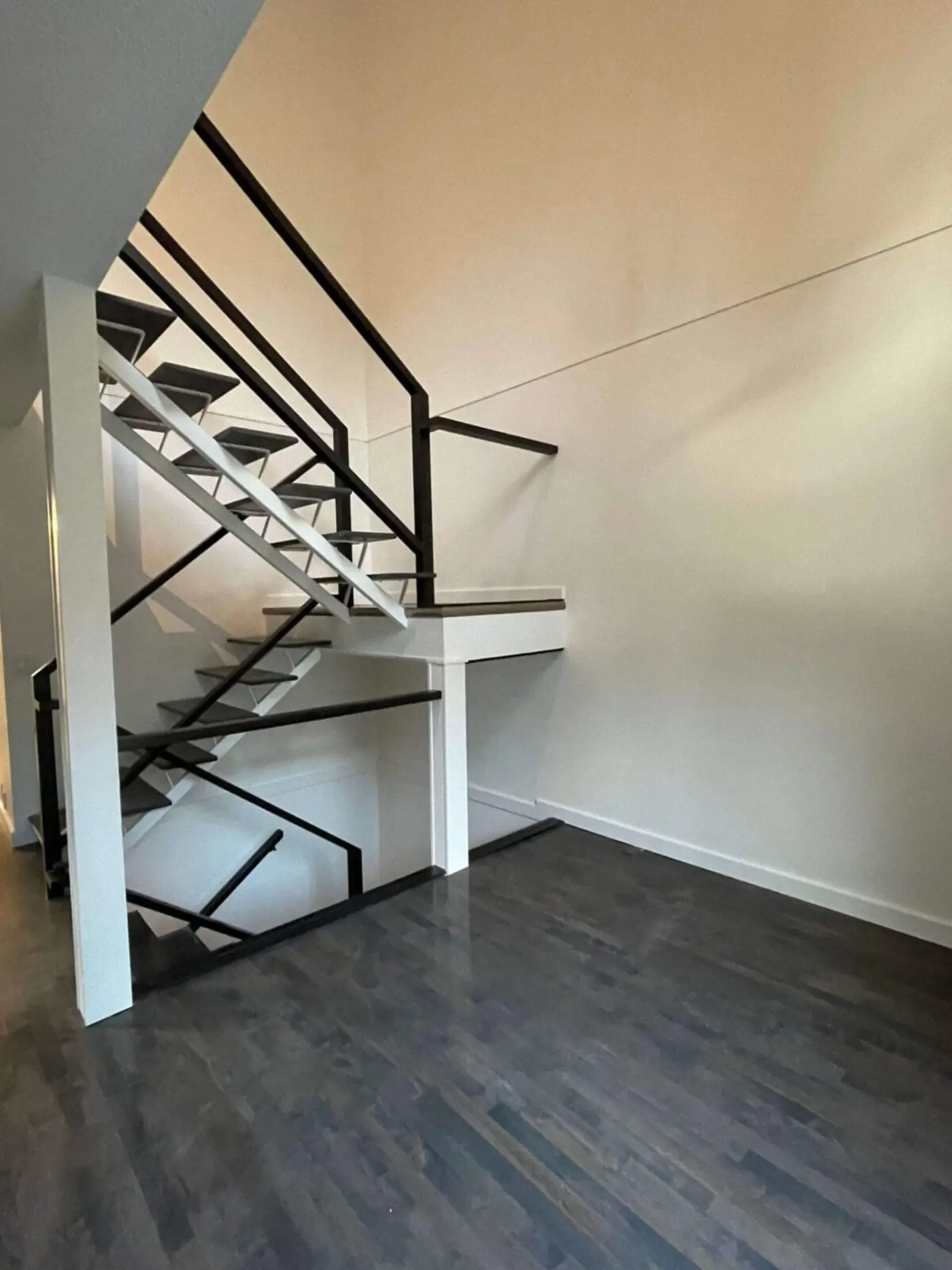
Recognition earned in our community
Real projects, real surfaces and the preparation behind the finished result.
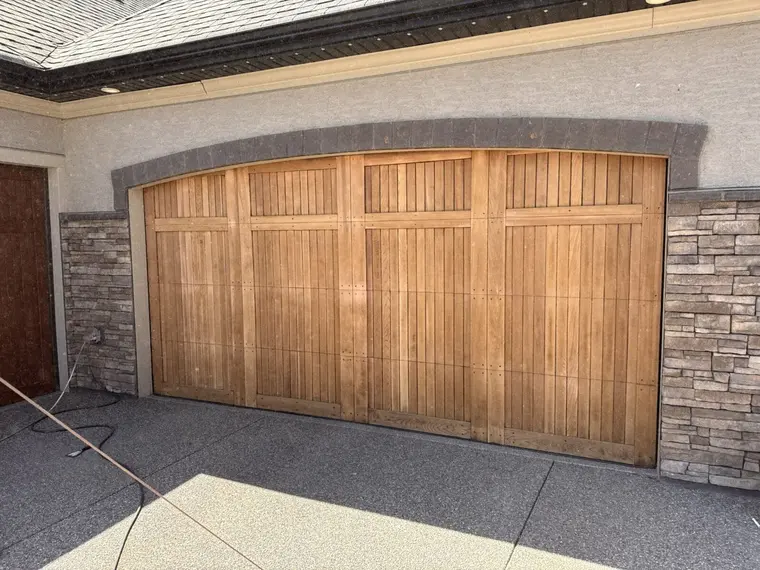
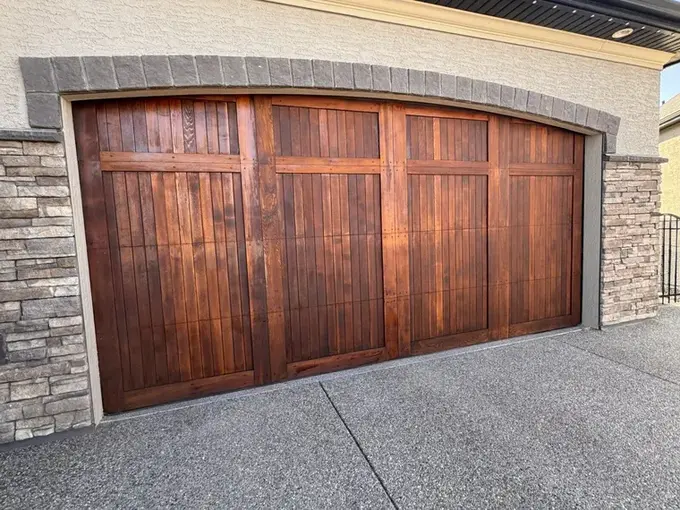
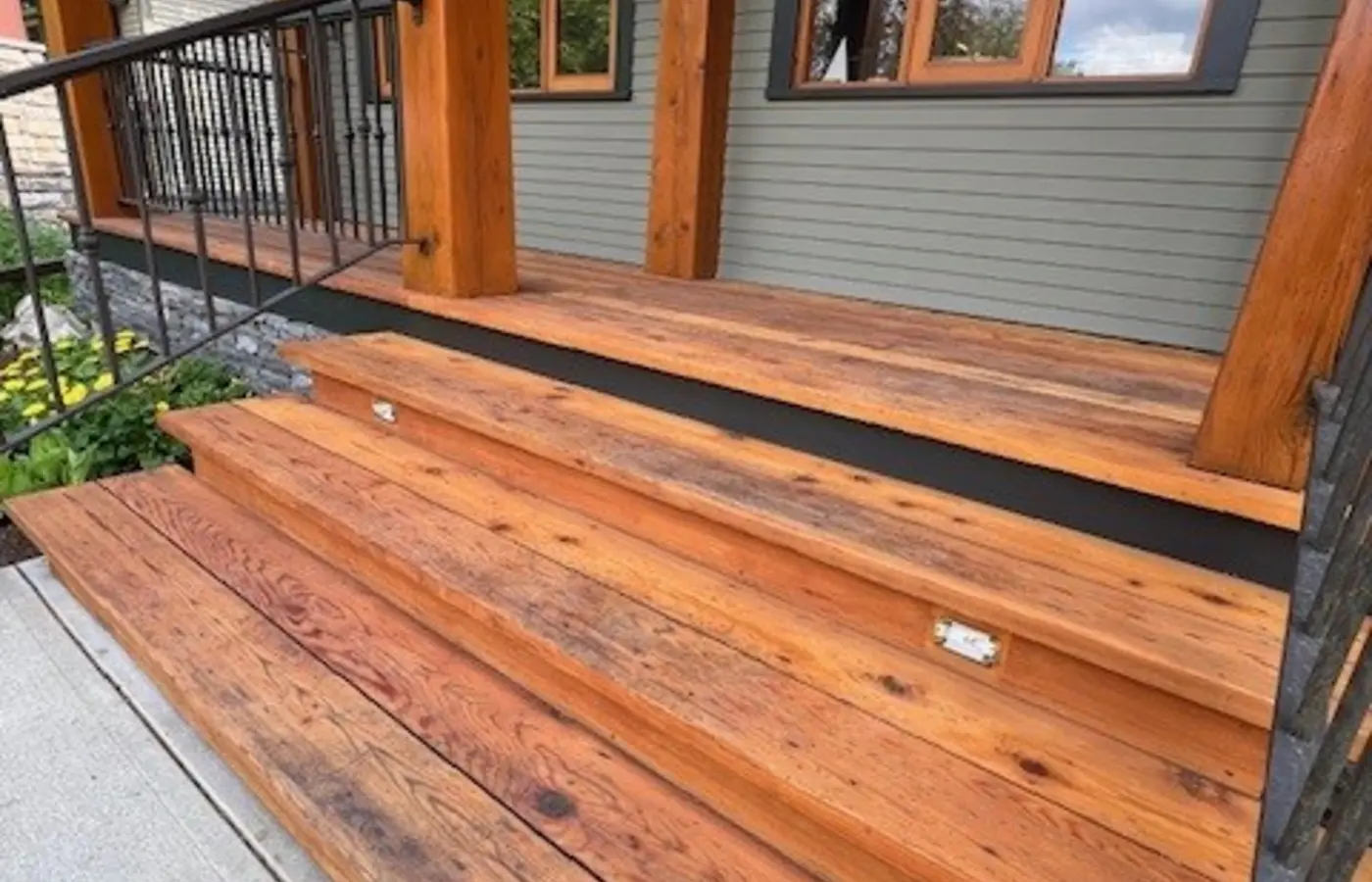
Sanded for proper preparation and refinished with a SICO coating system.
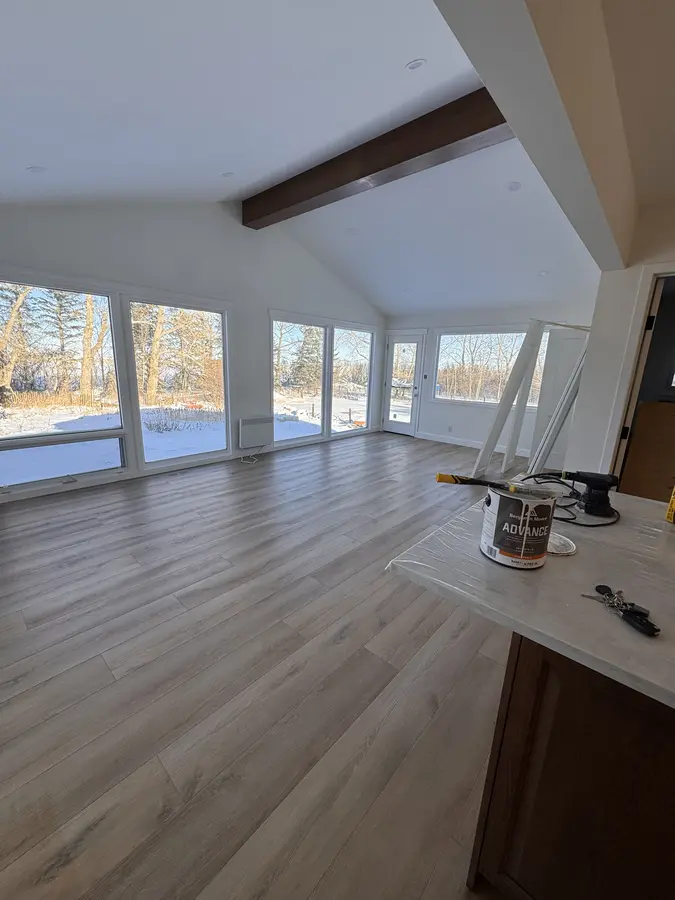
From your first estimate request to the final walkthrough, you know what happens next, what is included and how your home will be protected.
Tell us what needs painting. We arrange a project walkthrough and discuss surfaces, timing, access and the result you want.
Marc reviews surface condition, repairs, protection, colour direction, products and project details so your written estimate clearly explains what is included.
We protect floors, furniture, fixtures and adjacent finishes before the cleaning, repairs, sanding, masking or priming your surfaces actually require.
The selected coating system is professionally applied while we keep work areas organized and communicate throughout your project.
We review the completed work together, collect payment upon completion and explain the applicable two-year materials warranty and written project terms.
Freeze-thaw cycles, Chinook swings, dry interiors, UV exposure, hail and moisture movement all affect coating performance. We recommend the system that fits the actual surface—not a one-size-fits-all package.
Meet Dynamic PaintingHomeowners consistently describe the details that matter during a real painting project: clear communication, tidy work areas, thoughtful preparation and a finished result they feel good about.
“Marc is an excellent communicator and paints to a very high standard.”James M. · Communication & workmanship · Google review
“They were tidy, professional and detailed in their process. The house looks great.”Anthony N. · Cleanliness & finished results · Google review
“They were by far the most responsive and professional.”David B. · Responsiveness & professionalism · Google review
Projects in nearby communities are reviewed based on scope, location and scheduling.
Painting should not leave you guessing who is responsible, what preparation is included or whether your home will be treated with care.
Your written estimate identifies the agreed surfaces, repairs, products and preparation. No upfront deposit is required; payment is due when the project is complete.
We discuss occupied rooms, furniture, pets, access, dust-conscious preparation and daily cleanup around the actual project.
Marc Sharkey leads the estimate and project planning, with a final walkthrough to review the completed scope.
Enjoy the reassurance of a two-year materials warranty, with full coverage details, conditions and exclusions available on our warranty page.
Review our warrantyPlan your project with confidence
Dynamic Painting provides residential interior painting, exterior painting, stucco painting and repair, ceiling painting, and deck or exterior wood refinishing throughout Calgary and nearby communities.
We review surface condition, protect floors and nearby finishes, complete necessary cleaning and repairs, and plan sanding, masking, caulking or priming according to the written scope.
Dynamic Painting serves homeowners in Calgary, Airdrie, Cochrane, Chestermere and selected nearby acreage communities, depending on project scope and scheduling.
No. Dynamic Painting does not require upfront deposits. Payment is due upon completion, with the project scope and payment terms clearly explained in your written estimate.
Yes. Dynamic Painting carries $5 million in liability insurance, maintains WCB coverage and is BBB Accredited with an A+ rating. Project details and documentation can be discussed during your estimate.
We plan surface preparation around the actual work area, protect floors and nearby belongings, and use Festool HEPA dust extraction where the work requires it. Access, pets, room sequencing and daily cleanup are discussed before painting begins.
Yes. Dynamic Painting offers a two-year materials warranty on eligible projects. Coverage details, conditions and exclusions are explained on our warranty page and in the written project documents.
Yes. Clients who book a painting project with Dynamic Painting can access professional designer support for colour selection. Marc also discusses lighting, existing finishes, practical sheen choices and coating decisions as part of project planning.
Yes. Dynamic Painting offers direct online booking for available on-site estimate appointments, or you can call Marc and send your project details before scheduling.